Local entrepreneurs keep water flowing in Western Uganda
29 Sept 2026 · Reading time: 4 min
Whether a rural school still has clean water five years from now depends on more than how well its water system was built. Once a project ends, the community must also be able to maintain and repair it’s own services. That is why entrepreneurship is central to WASH, Learn & Share, the programme funded by Made Blue in the Kabarole and Bunyangabu districts of Western Uganda.
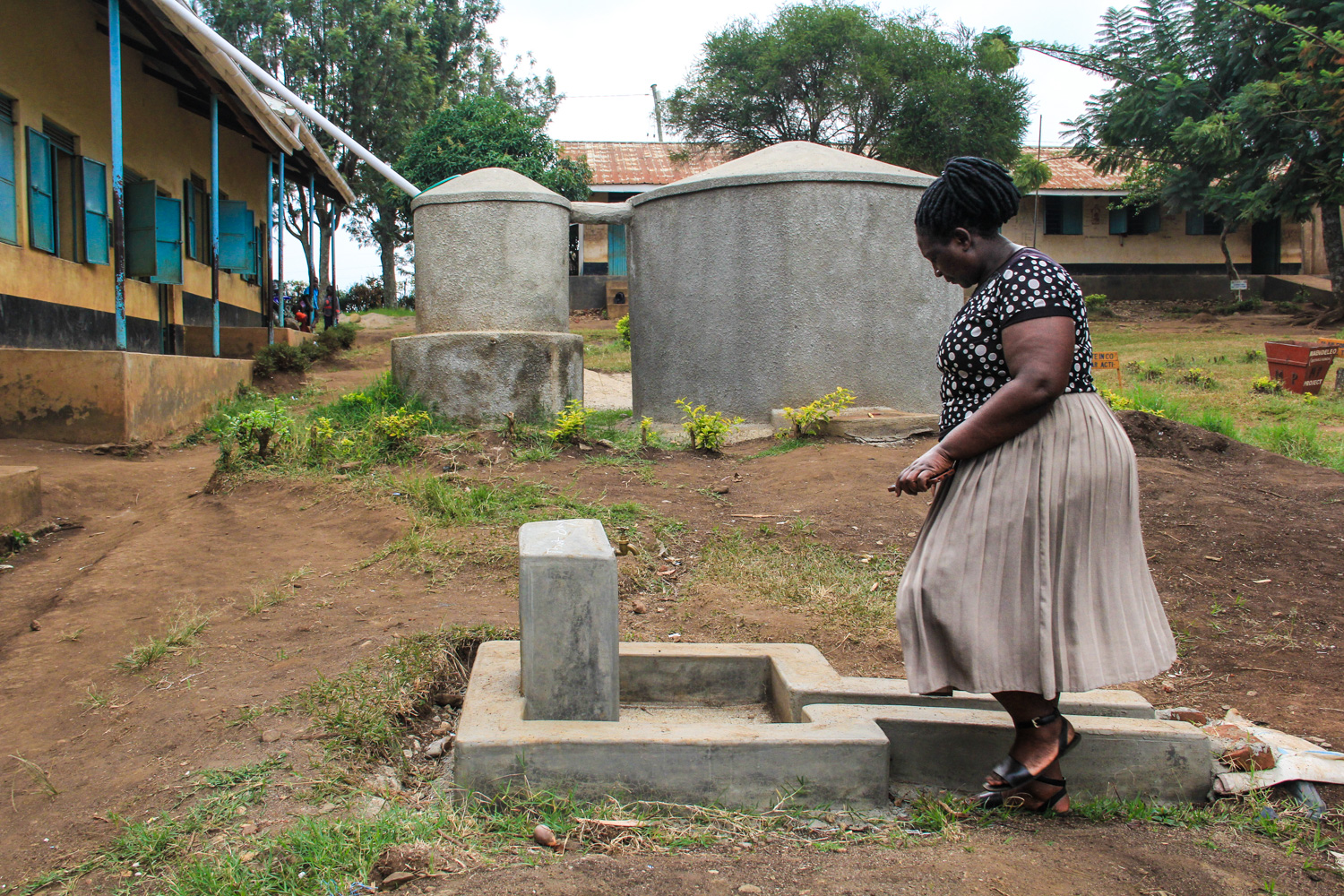
Lack of maintenance after projects end
Research into the functionality of rural water points is sobering. A large-scale study published in 2024 estimated that 23% of drinking water points were out of service. An earlier review of literature and handpump data from 47 countries reached a similar estimate: across Sub-Saharan Africa, around one in four handpumps is out of service at any given time.
Both studies highlight a structural issue: long-term maintenance is often an afterthought, yet essential to lasting access to clean water.
Developing the local market for WASH services
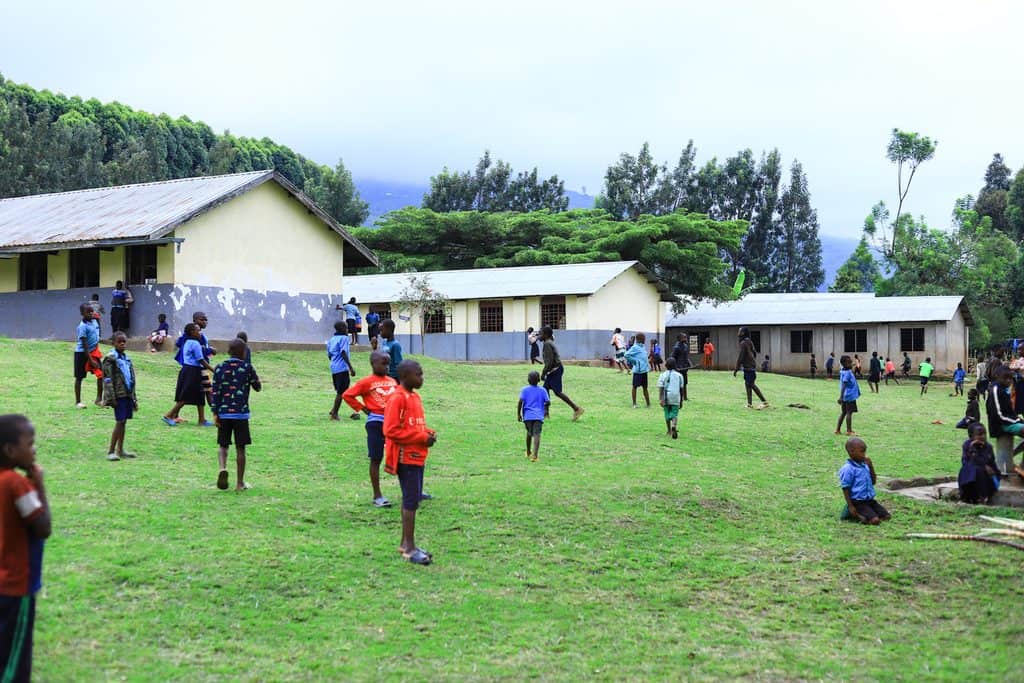
WASH, Learn & Share brings water, sanitation and hygiene to 18 primary schools serving around 12,500 pupils and 36 surrounding communities with approximately 51,000 residents. Each school receives a rainwater harvesting tank, a gender-sensitive toilet block, handwashing facilities and a plan to fund ongoing maintenance.
Alongside the infrastructure, the programme places an emphasis on developing the local market for services needed to keep the new facilities running. This work is led by WASEU, the Water and Sanitation Entrepreneurs Association Uganda. Founded in 2015, WASEU is an industry association that helps small local entrepreneurs establish, grow and sustain WASH businesses. It also advocates for a more supportive business environment in Uganda.
Mapping local businesses for lasting impact
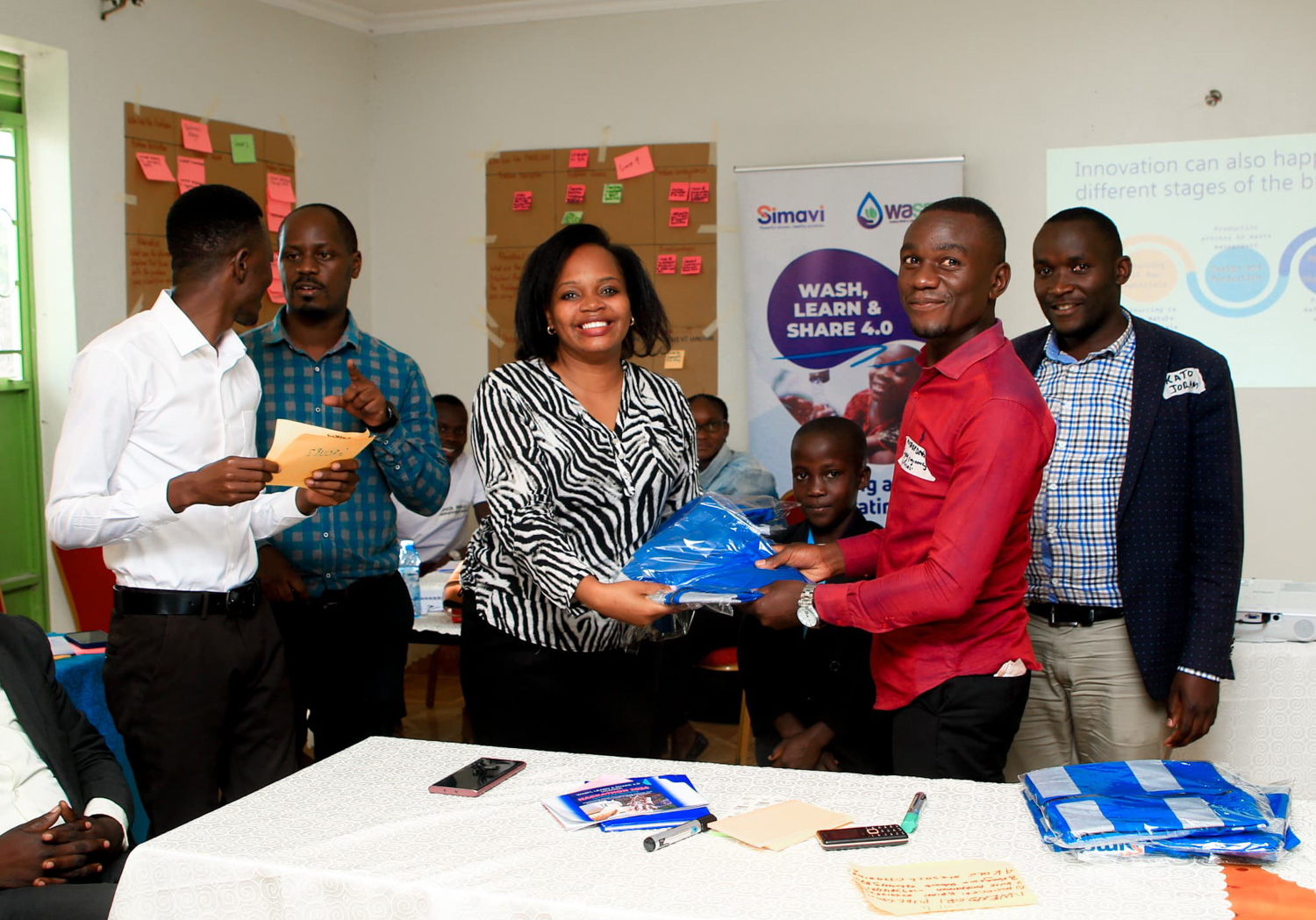
WASEU began by listening. The organisation mapped 50 WASH entrepreneurs across 13 towns and sub-counties, including waste collectors, metalworkers, soap makers, pit-emptying businesses, pump technicians and cleaning companies.
In October 2024, the programme brought these entrepreneurs together for a hackathon in Fort Portal. It produced nine prototypes, three of which received seed funding: a hygiene kit containing reusable menstrual pads and soap, paid for each school term; a septic tank emptying service with instalment payments; and a technology for treating faecal sludge within latrines.
Local WASH businesses expand their services
Two years on, the results are coming is. Five businesses supported by WASEU generated a combined UGX 24.36 million (approximately US$6,500) in sales over two months, collectively serving 22 schools.
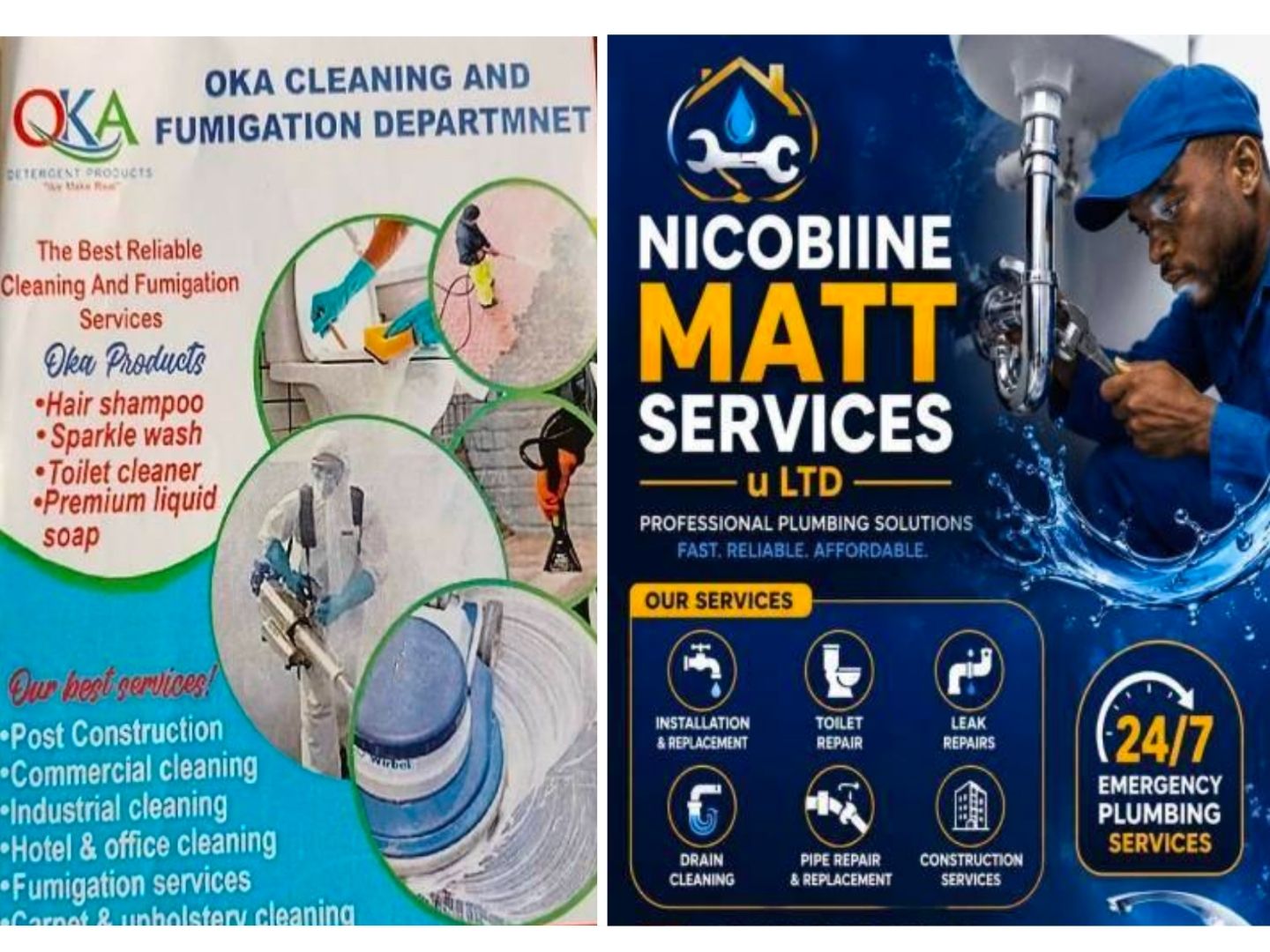
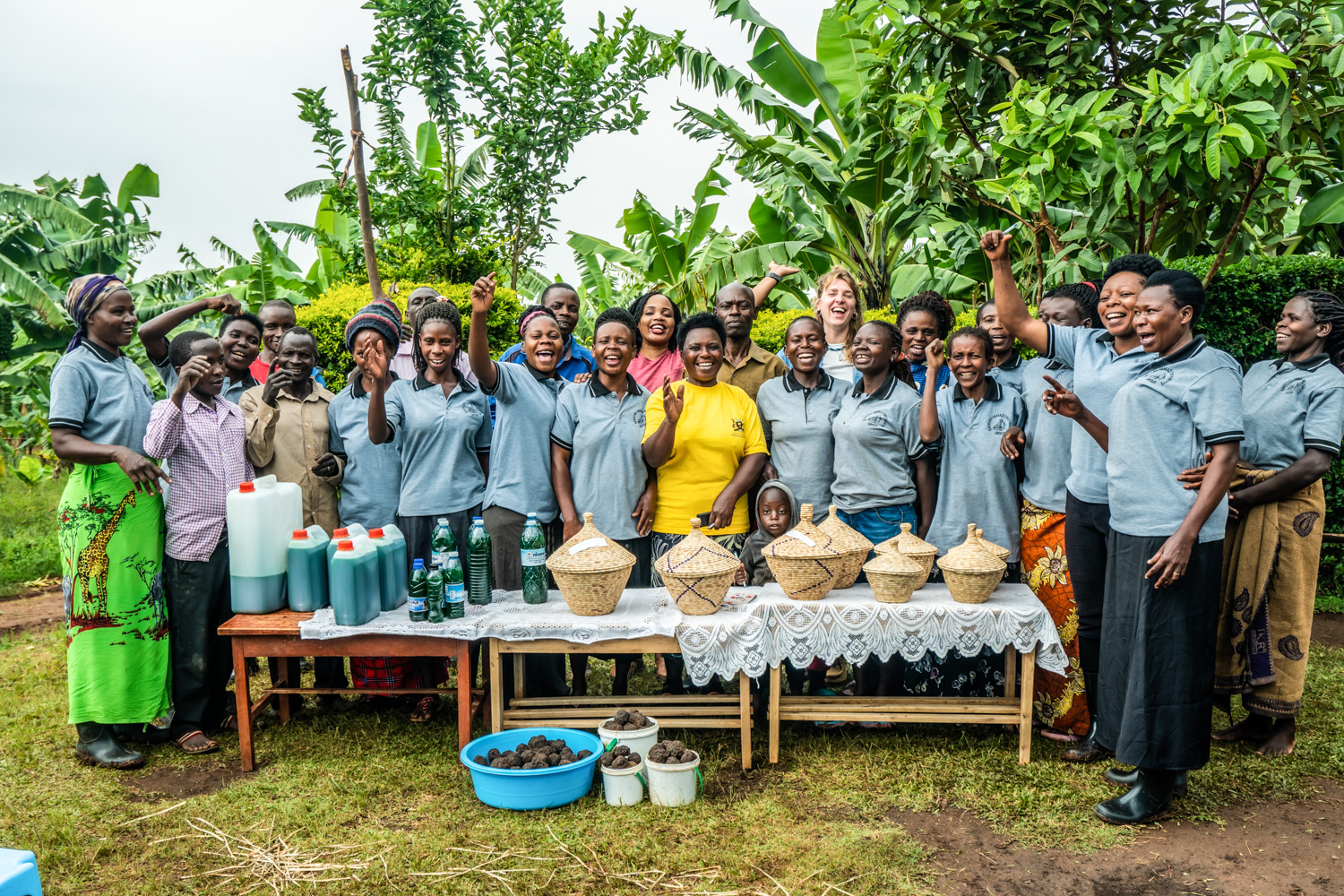
Thomas’s OKA Detergent Products generated UGX 12 million in sales from cleaning and disinfection services for seven schools and hotels. Mutebi Yassin’s Brilliant Sanitation provides pit-emptying services to 11 schools. Unimax Sanitation Solutions expanded into septic tank and pit emptying, borehole maintenance, liquid soap and manhole covers. Nicobine Matt Services installs plumbing and water tanks and now also operates in Kamwenge and Rwimi. Kufabas Plumbing installed two boreholes and five water tanks.
From small business to established service provider
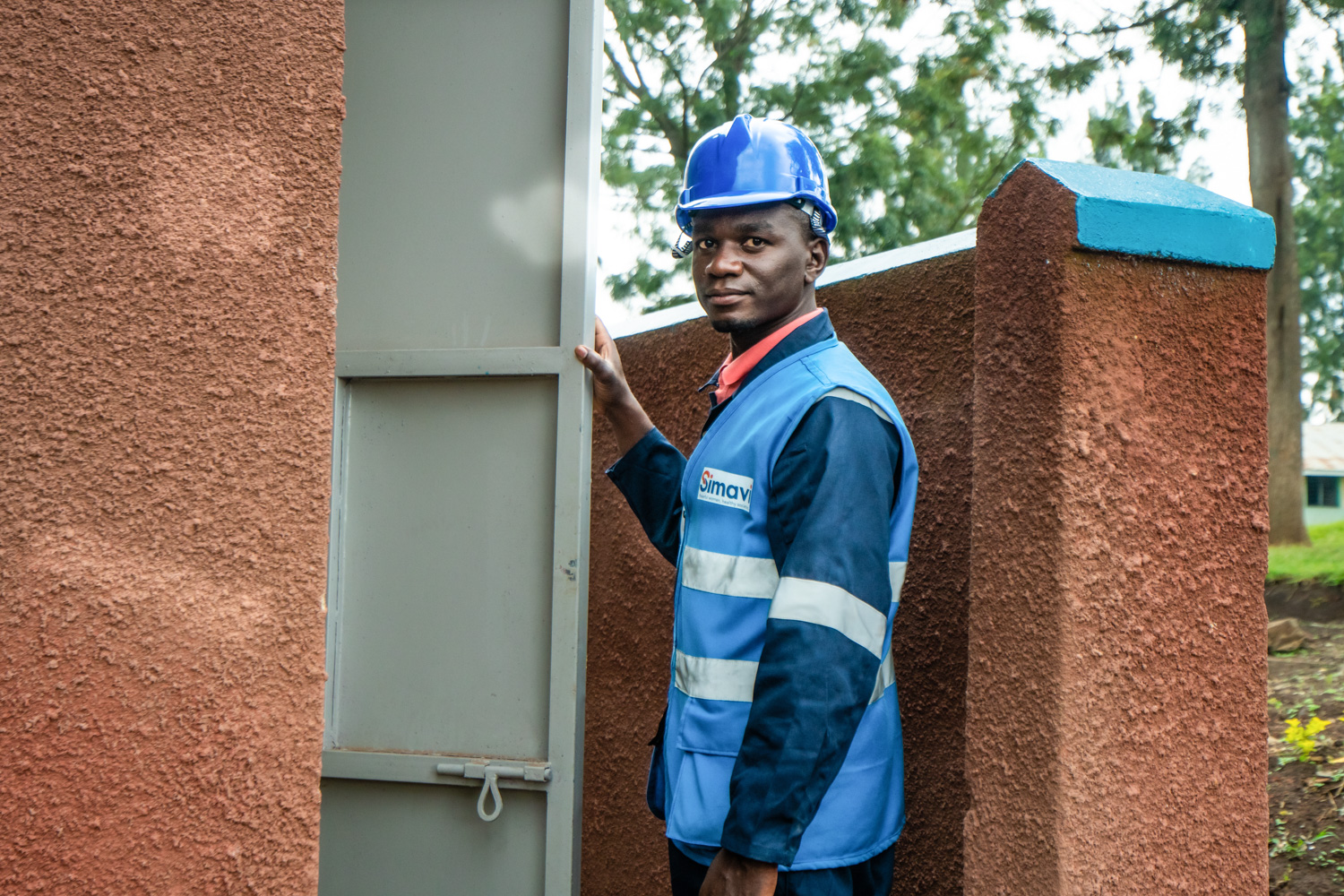
A sixth business, Kleanova Sanitation in Fort Portal, illustrates the next stage of development. The company has developed signed maintenance service contract templates, printed receipt books, and branded ID materials. With its own pit-emptying truck it now empties septic tanks and latrines daily for business clients.
During this reporting period, four organisations—the Aquaya Institute, IRC, Water For People and Kabarole Research Centre—directly hired businesses supported by WASEU. This is an encouraging sign of market demand: customers paying for services without the programme acting as an intermediary. Eight WASEU business mentors provide free on-demand advice, working towards a pipeline of 40 WASH-businesses across both districts.
Growth opportunities for WASH entrepreneurs in Uganda
WASEU helps these entrepreneurs connect with wider networks. In April 2026, the organisation represented the WASH, Learn and Share programme at the first Majipreneurs Summit in Nairobi, which brought together 170 WASH entrepreneurs, utilities and investors. Together with CEWAS, WASEU is also mapping more than 200 businesses for Uganda’s first WASH Entrepreneurship Sector Report.
There is still work to do. Women remain underrepresented among WASH entrepreneurs in the two districts, and access to finance remains a barrier. The programme is therefore also working with microfinance institutions to develop suitable loan products. But the direction is clear: in Kabarole and Bunyangabu, the people who will keep water flowing for years to come are already hard at work.
Want to learn more about WASH, Learn and Share?
Discover how access to clean drinking water is already improving daily life in schools and communities in Uganda.
Want to know more about
our water projects?
From households in Bangladesh to villages in Nepal and remote schools in Ethiopia — every Made Blue project brings sustainable clean drinking water closer to reality.
Learn about our projects and the impact we’re making together:
Financing for WASH entrepreneurs
One in four rural water points in Africa is out of service, often because there is no viable business model for repair and maintenance. We want to change that.
Read moreUganda: Wash, Learn & Share
In this follow-up of our WASH & Learn project in Uganda, we place an even greater emphasis on capacity building and sustainability, with a central role for entrepreneurs, women and girls.
Read moreMalawi: Madzi for Malawi
In Malawi, more than 7 million people lack clean water. We are going to change this by building and repairing water points.
Read moreSierra Leone: Water for a good start in life
We are helping young and expectant mothers and their children live healthy and safe lives by investing in health center facilities in Sierra Leone.
Read moreSierra Leone: Water and nutrition at schools
With 7 water kiosks and the provision of milk powder for school meals, we help more than 55,000 people to a better future.
Read moreBangladesh: Mini grids for households
In Bangladesh, mini water networks will provide 33,670 people with direct access to clean drinking water.
Read moreContribute to Clean Drinking Water
with your organization
We are the Made Blue Foundation.
Our mission: clean drinking water for all.
Want to help make it happen?