Green Key updates : Water management
New Green Key criteria: what’s changed for water management in your hotel
18 Nov 2026 · Reading time: 5 min
This article covers updates in the Green Key chapter on water management and pollution (3).
Looking for Green Key updates on tap water, reusables and engagement (chapters 1, 2, 5 and 6)? Read this article.
Since 1 October 2026, hotels have been working with the new Green Key criteria, which apply through 2031. The chapter on water has been completely overhauled. The new rules are stricter, more data-driven, and the auditor will ask for more proof. Below we cover the most important changes, compared with the previous Green Key criteria.
yearly to monthly monitoring
The biggest shift is in how hotels keep track of their water use. Previously, entering your total consumption in My Green Key once a year was enough. Now, total water use must be recorded at least once a month (criterion 3.1). At the audit, hotels show monthly data for the past two calendar years, along with how they collect it: utility bills, submeters or manual readings, for example.
The idea is simple: what you measure monthly, you can manage. Unusual spikes or leaks show up sooner, and the data feeds directly into the hotel’s sustainability goals. Separate meters in high-use areas, such as the laundry or a spa, are optional (3.8), but recommended.
Leaks: dedicated procedures
Previously, checking for leaking taps and toilets was part of the general maintenance criterion, without fixed rules on how often or how to record it. The new criteria make it far more concrete. Hotels need a written procedure that sets out how often each outlet is checked (3.2):
- guest rooms, public toilets and pool facilities: every time they’re cleaned
- staff bathrooms and kitchens: at least weekly
- low-use outlets: at least monthly
Every leak and repair is recorded in a log, and the staff responsible must know the procedure.
Showers and taps
The flow limits are familiar: a maximum of 9 litres per minute for showers (3.3), and 6 litres per minute for washbasin taps (3.4). What’s new is how hotels demonstrate this. The limits apply to at least 90% of showers and taps, and hotels must document their own flow measurements, updated within the six months before the audit. A stricter limit of 4 litres per minute for all washbasin taps remains optional (3.11).
Notably, for both showers and taps, Green Key now recommends signs or subtle nudges in guest and staff areas to encourage responsible water use. Taking shorter showers is given as an example (3.3).
Toilets and urinals
Previously, one water-saving measure in the toilets was enough, like a dual-flush button. Now, toilets bought in the past 24 months must have a dual flush of no more than 3/6 litres, or a sensor flush of no more than 4.5 litres (3.6). Waterless urinals used to be an optional criterion. Now, urinals in public and staff areas must have a sensor, flush no more than 3 litres, or be waterless (3.5).
New: appliances, evaporation and wastewater
Several requirements are completely new:
- newly purchased dishwashers and washing machines must be water-efficient (3.7)
- large outdoor water systems, such as pools, ponds and fountains, need at least one measure to limit evaporation, like a pool cover (3.14)
- all wastewater must be treated, via the sewer system or an approved on-site system (3.15)
- professional kitchens need a working grease trap (3.16)
There are also new optional criteria: a water risk assessment (3.9), collecting rainwater or AC condensate (3.10), automatic shut-off taps in public toilets (3.12), no bathtubs or jacuzzis in guest rooms (3.13), and reusing treated wastewater (3.17).
How Made Blue helps
The new water chapter asks a lot on the technical side. But Green Key is clear that guests and teams play a part too. Signs and nudges to encourage shorter showers and mindful tap use are explicitly recommended.
Together with your hotel, we develop communication materials for the shower, reusable water bottles, water stations, the washbasin and your linen policy, all in your own brand style. They invite guests to save water and tell the story behind it: every drop saved matters, here and in places where clean drinking water isn’t a given. With every Made Blue solution, you also support water projects in water-scarce regions.
Want to know how Made Blue helps with the new requirements on engagement, tap water and reusables? Read our article on the other Green Key updates. Or get in touch with our team.
Source
Green Key (2026). Green Key Criteria and Explanatory Notes, 1 October 2026 – 31 December 2031
More news
Green Key updates: how Made Blue can help
The new Green Key criteria set stricter requirements for tap water, reusables and engagement of guests and teams. Here’s how to meet them with Made Blue Foundation.
Installing a water refill station in your hotel?
Learn how smart placement, availability and defaults help hotel guests choose refill over single-use bottles.
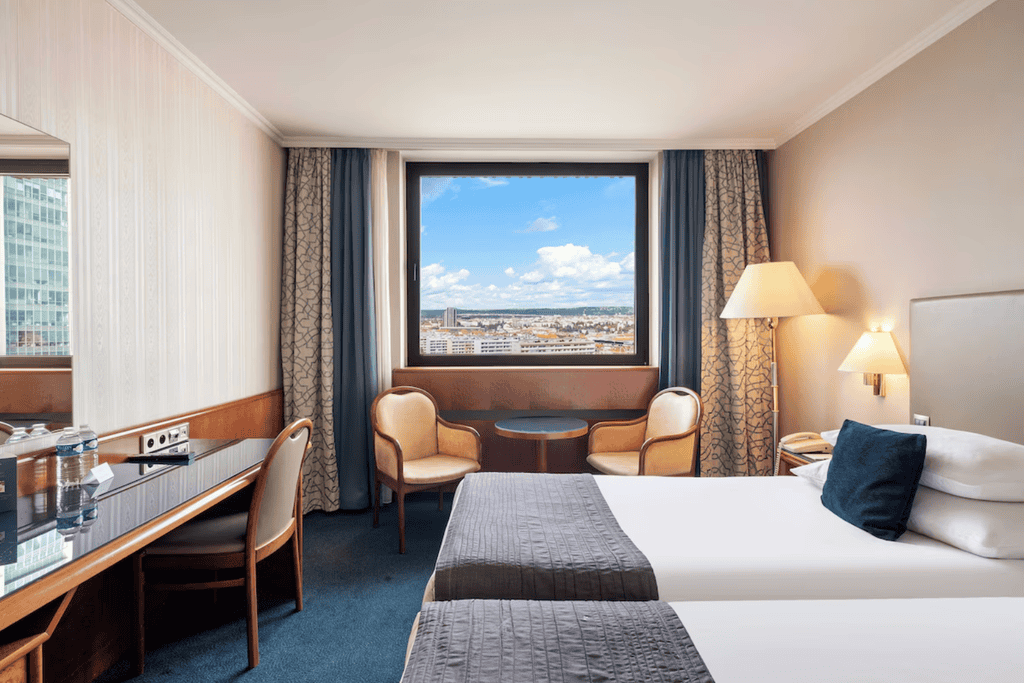
Verdi Hotels integrates water impact across its hotel group
Through its new partnership with Made Blue Foundation, the entire Verdi Hotels group has made a meaningful commitment to responsible water use.
Want to make clean water available for all?
Discover how your organisation can make impact in water scarce regions around the globe.
Made Blue water projects

SIERRA LEONE: WATER AND NUTRITION AT SCHOOLS
With 7 water kiosks and the provision of milk powder for school meals, we help more than 55,000 people to a better future.

MALAWI: MADZI FOR MALAWI
In Malawi, more than 5.8 million people lack clean water. We are going to change this by building and repairing water points.

BANGLADESH: MINI GRIDS FOR HOUSEHOLDS
In Bangladesh, mini water networks will provide 33,670 people with direct access to clean drinking water.
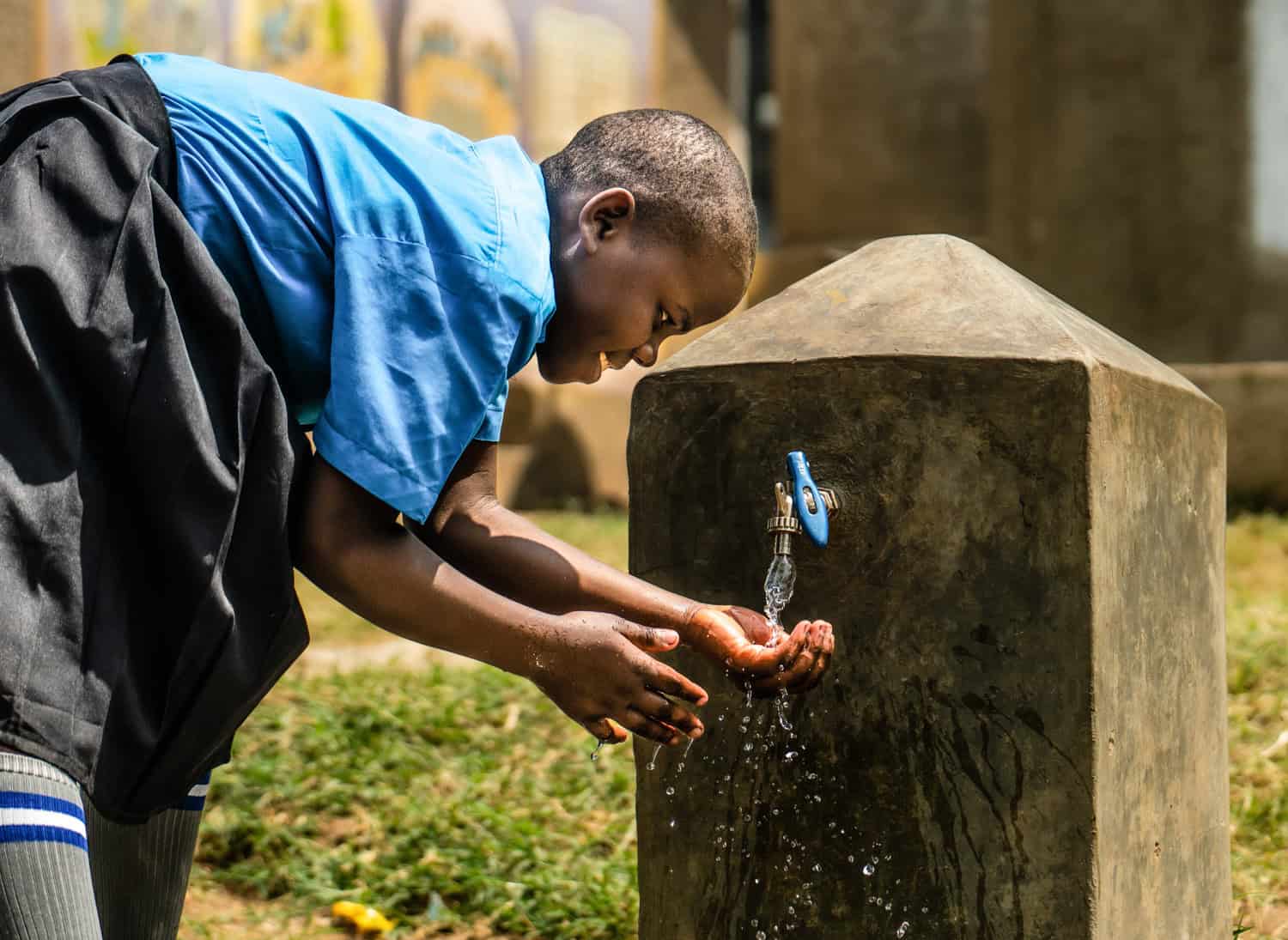
UGANDA: WASH, LEARN & SHARE
In Uganda we place a greater emphasis on sustainability and knowledge sharing, with girls, women and local entrepreneurs playing a central role.

SIERRA LEONE: WATER FOR A HEALTHY START
In Sierra Leone, we help young and expectant mothers and their children live healthy and safe lives by investing in essential facilities for health centres.
They already joined as ambassadors


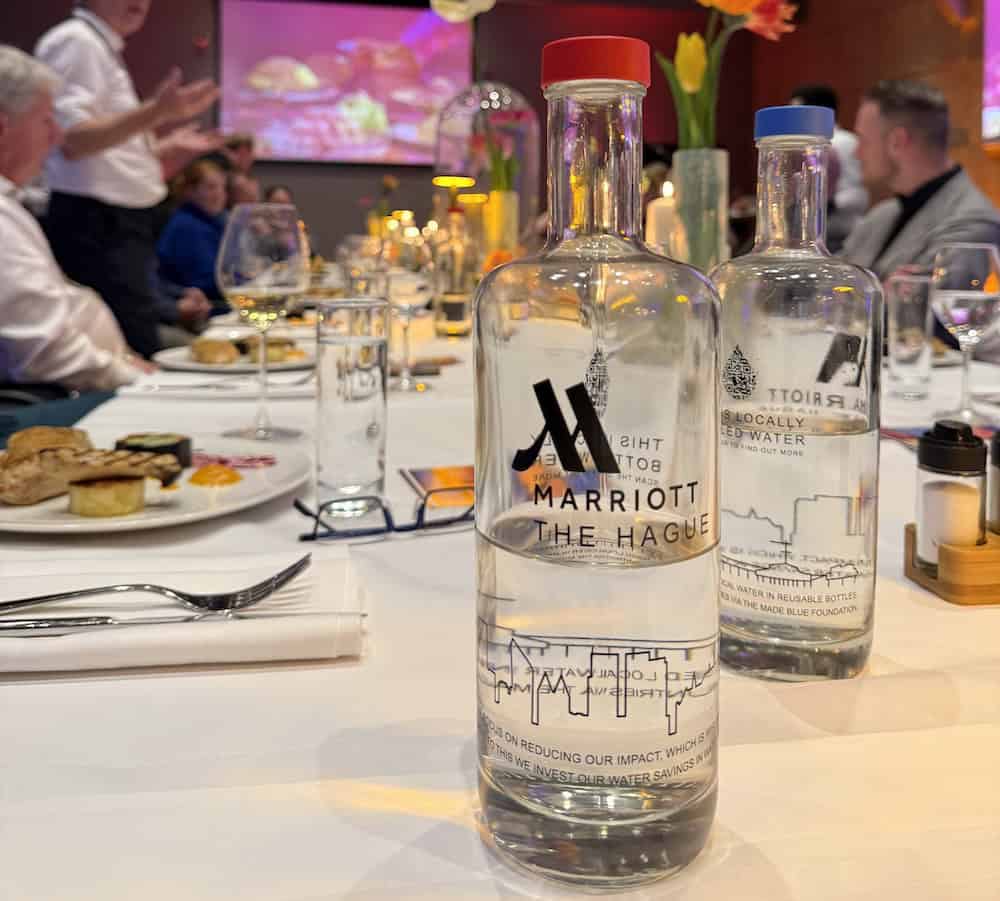
MAKE impact with the water you save, sell or serve
We are the Made Blue Foundation.
Our mission: clean drinking water for all.
Want to help make it happen?
Meer weten over waterprojecten?
Van schoon water voor huishoudens in Bangladesh en Nepal tot scholen in afgelegen dorpen in Oeganda — elk Made Blue waterproject brengt duurzaam schoon drinkwater voor iedereen een stap dichterbij.
Leer meer over onze projecten en de impact die we samen maken: