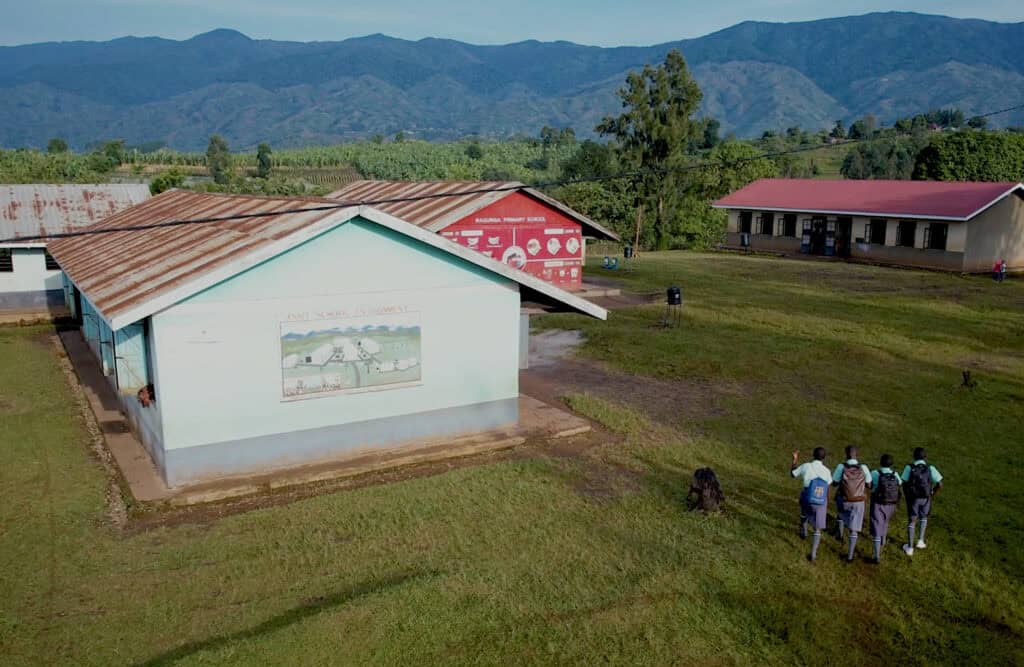
WASH, Learn & Share
In this follow-up of our WASH & Learn project in Uganda, we place an even greater emphasis on sustainability with a central role for entrepeneurs, women and girls.
Uganda
country
Bunyangabu & Kabarole
region
2024 – 2026
period
63.500
people
The next phase of WASH & Learn
In many parts of western Uganda, access to safe drinking water and hygiene remains a daily challenge. With this new project, we continue to tackle these problems by building on our project WASH & Learn (2020–2023).
In the same districts — Bunyangabu and Kabarole — we’re improving access to water, sanitation and hygiene for another 18 schools and 36 communities.
This time, not only by creating new facilities, but also by ensuring they are managed sustainably — with a central role for girls, women and local entrepreneurs.
Click on the marker to zoom in
De situatie in OEganda
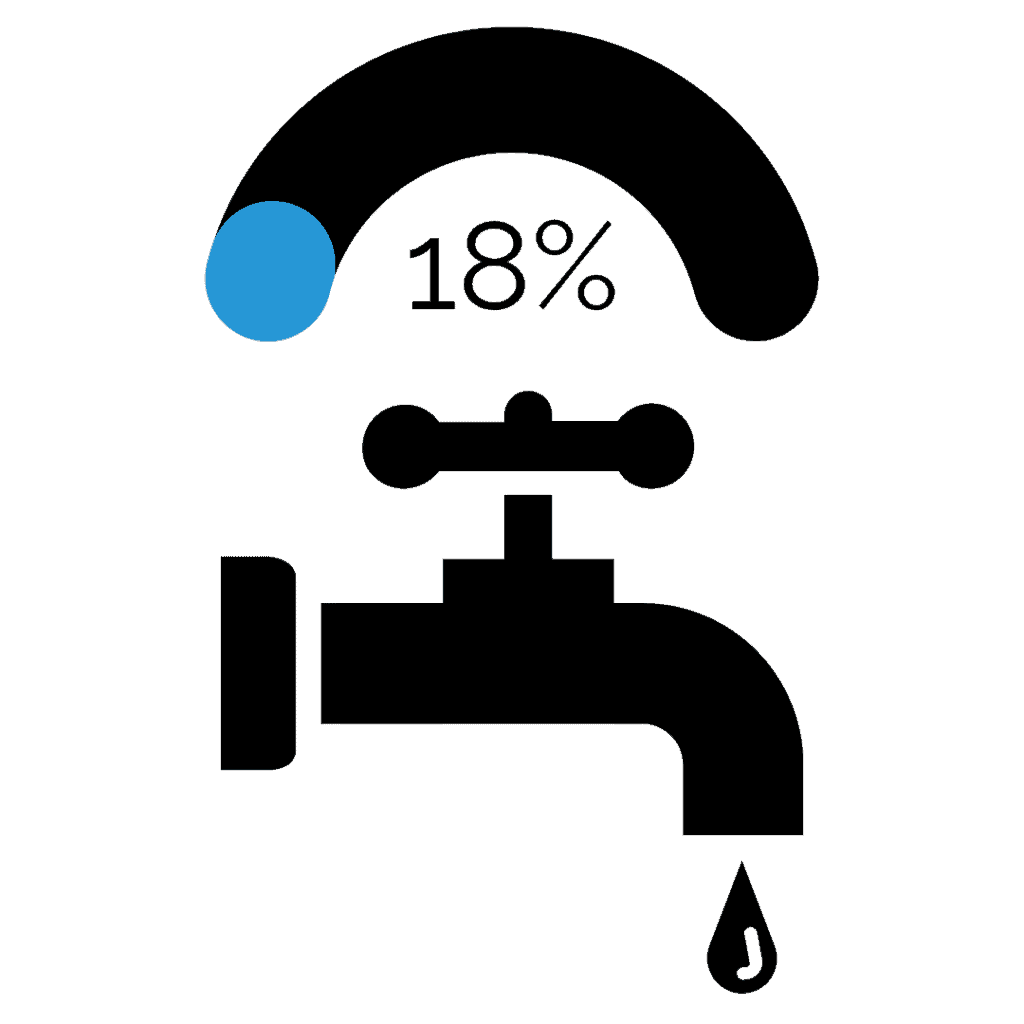
Slechts 18% van de bevolking heeft toegang tot veilig beheerd drinkwater.

Slechts 20% van de bevolking heeft toegang tot veilig beheerde sanitatie.

Maar 20% van de bevolking heeft thuis toegang tot een handwaspunt met water en zeep.
De uitdaging in Bunyangabu en Kabarole
Only 44% of schools in Bunyangabu and 89% in Kabarole have a reliable water supply on school grounds — a problem that directly contributes to poor hygiene, illness and absenteeism.
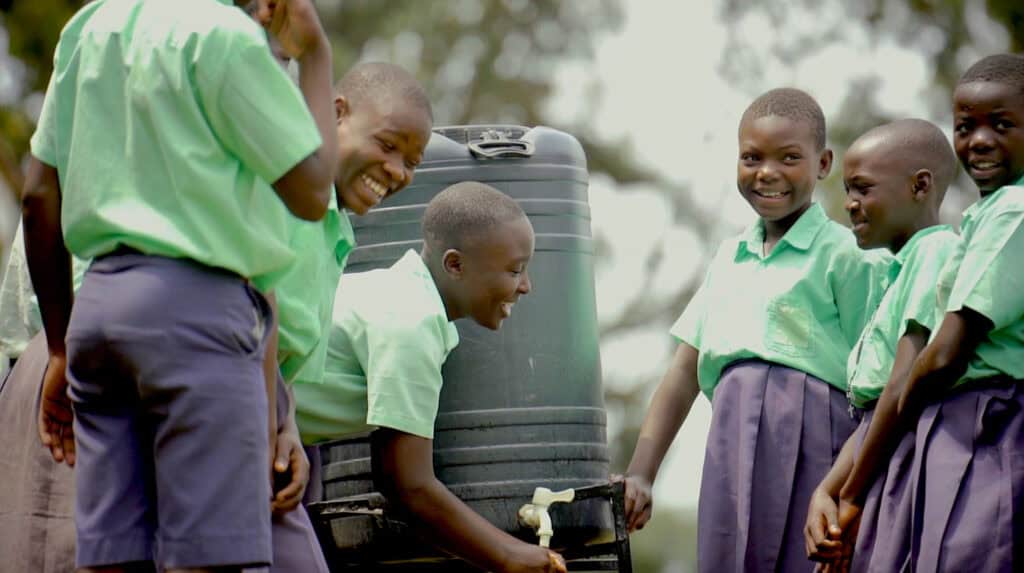
Fewer than half of the participating schools have handwashing facilities with water and soap, and in some schools pupils still have to bring water from home. In addition, an average of 23% of girls stay home during menstruation because there are no appropriate facilities at school.
Sustainability is a significant challenge: none of the schools currently has a cost-recovery plan for maintaining their water facilities.
18 schools ± 12.500 students
To address these challenges, we’re working with 18 schools to improve and install water facilities in a sustainable way. Each school will receive:
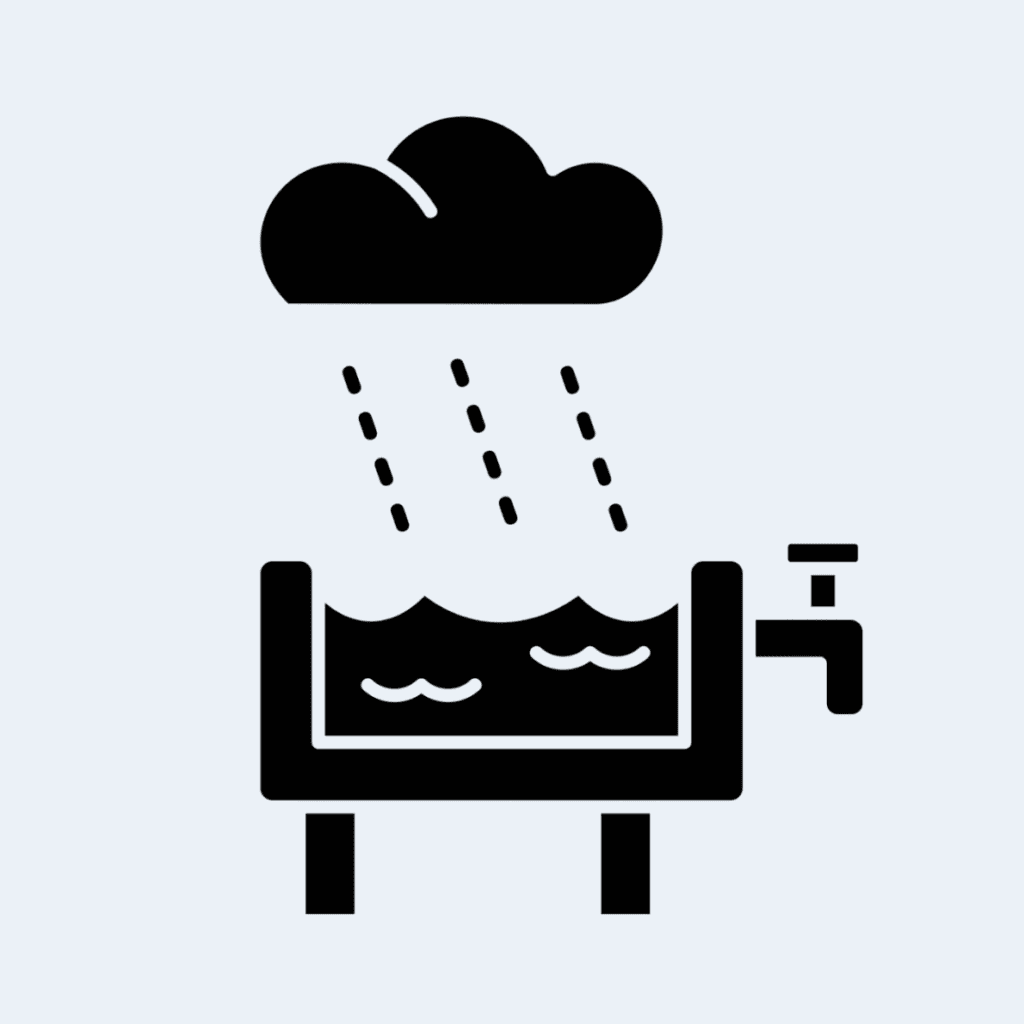
A 10 m³ rainwater harvesting tank with a first-flush system.

A gender-sensitive latrine block with a separate washroom for girls.
Handwashing stations to improve hygiene and health.
A cost recovery plan for maintenance of the water facilities
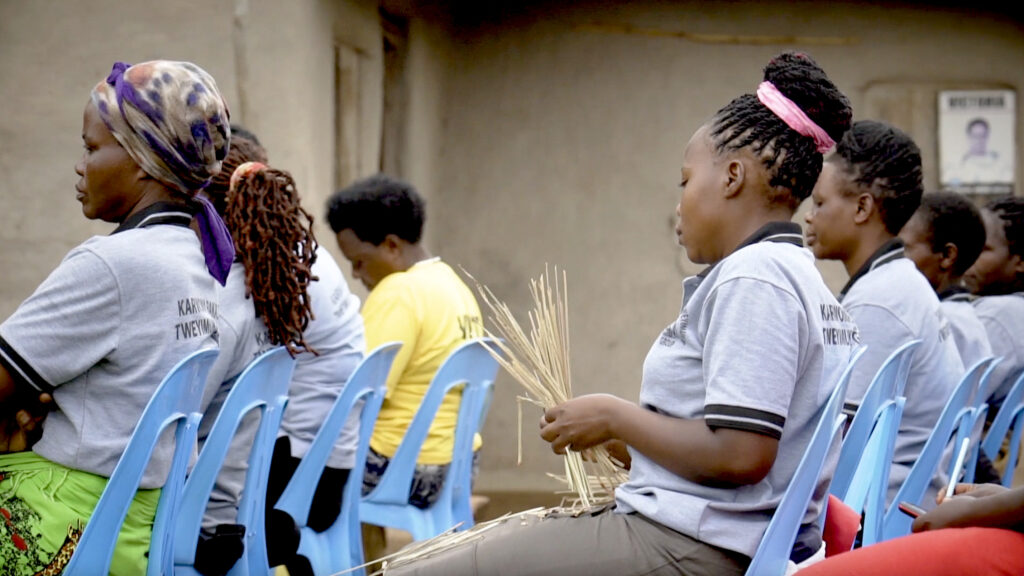
36 communities, 51,000 people
The programme improves access to clean water, sanitation and hygiene in 36 communities.
Households benefit from local entrepreneurs providing affordable WASH products and services, such as improved latrines and safe water storage. Microfinance institutions are involved to make loans and credit available, enabling families to invest in better facilities themselves.
In addition, existing WASH committees receive training and guidance to improve the management and maintenance of water points and to raise community awareness around hygiene and safe water handling.
Sustainability and maintenance
A key element of the WASH, Learn & Share project is the sustainable management of the water facilities, because:
Besides technology, sustainability depends on behavior and ownership.
None of the participating schools currently has a cost-recovery plan for the maintenance of their water and sanitation facilities. This poses a risk to long-term continuity.
By strengthening knowledge, distributing responsibilities and activating local sources of income, the water facilities remain functional, safe and accessible — even after the project ends.
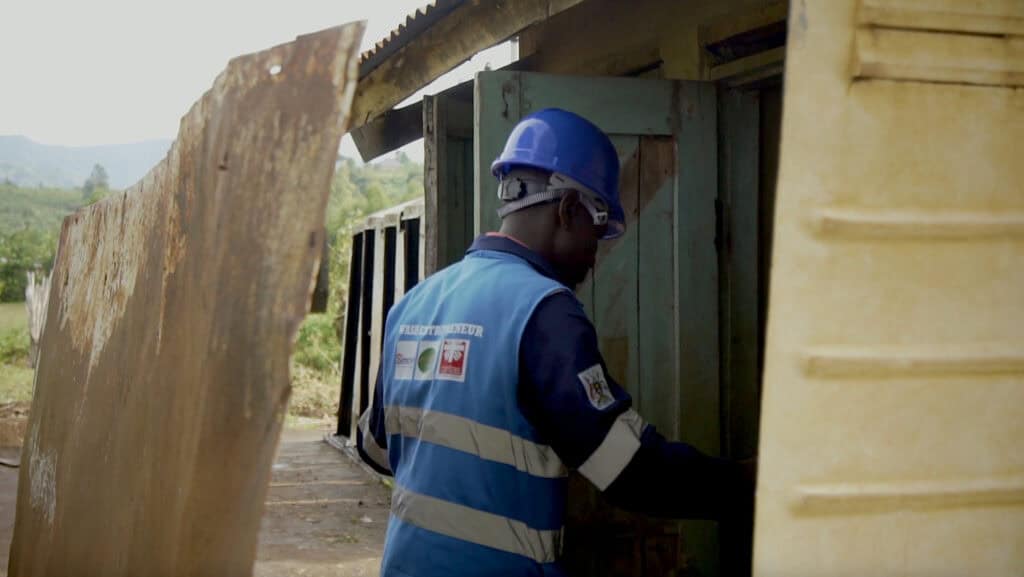
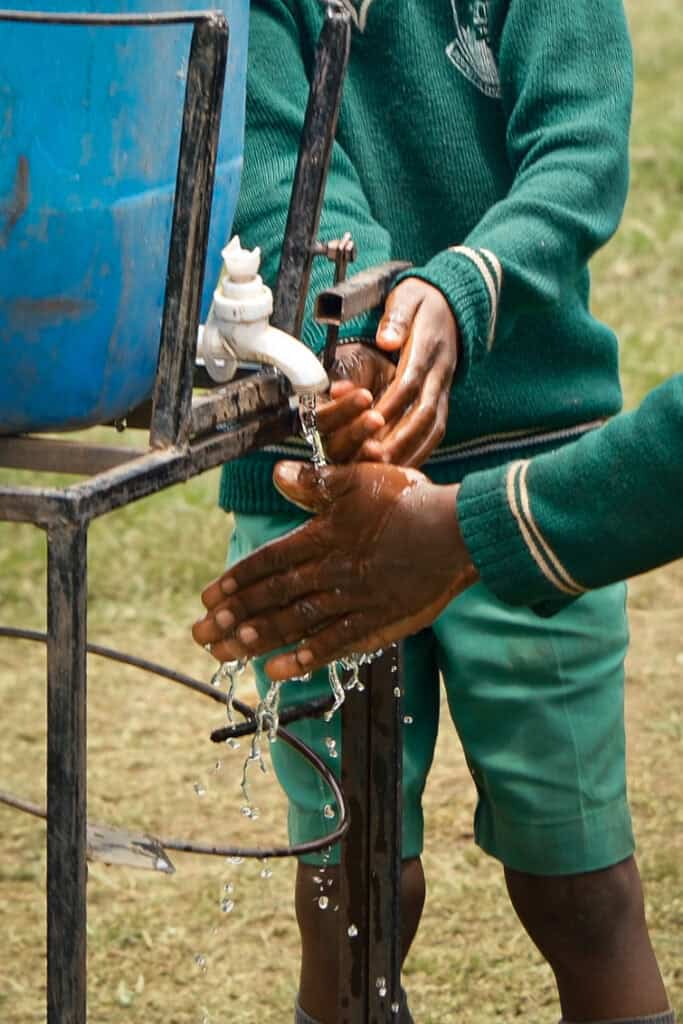
To address this challenge, the project focuses on:
- Monitoring and evaluation, with regular inspections and the sharing of lessons learned between schools and districts.
- Training and capacity building for school teams, local authorities and WASH committees in financial management and maintenance planning.
- Development of cost-recovery plans, enabling schools to set aside resources for repairs and maintenance.
- Community involvement, so households, local businesses and authorities can jointly take responsibility for well-functioning facilities.
“
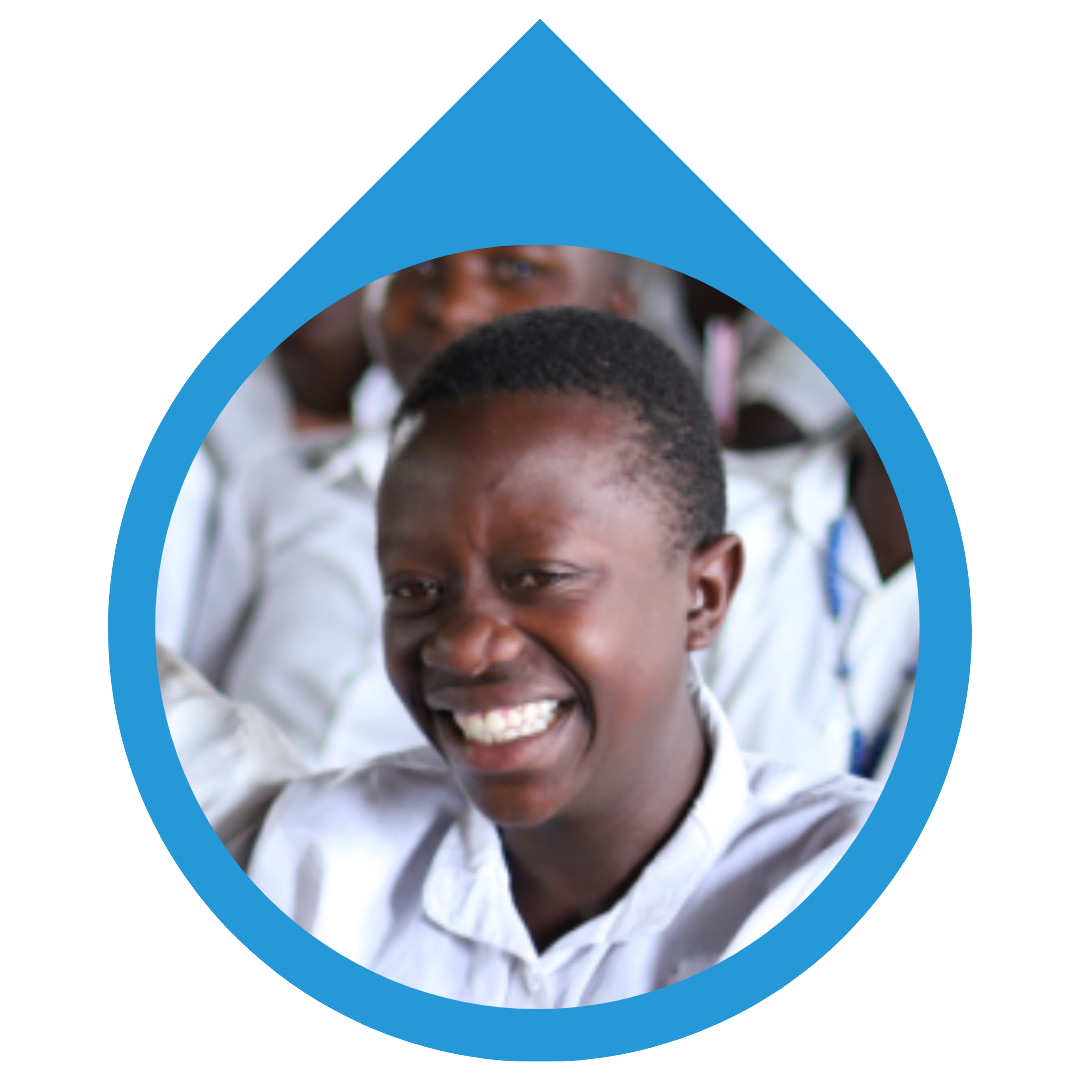
When I have to fetch water, I can’t go to school, and it’s also hard and a bit scary — especially when the road is slippery because of the rain.
Violet, Student Kyamatanga Primary School
”
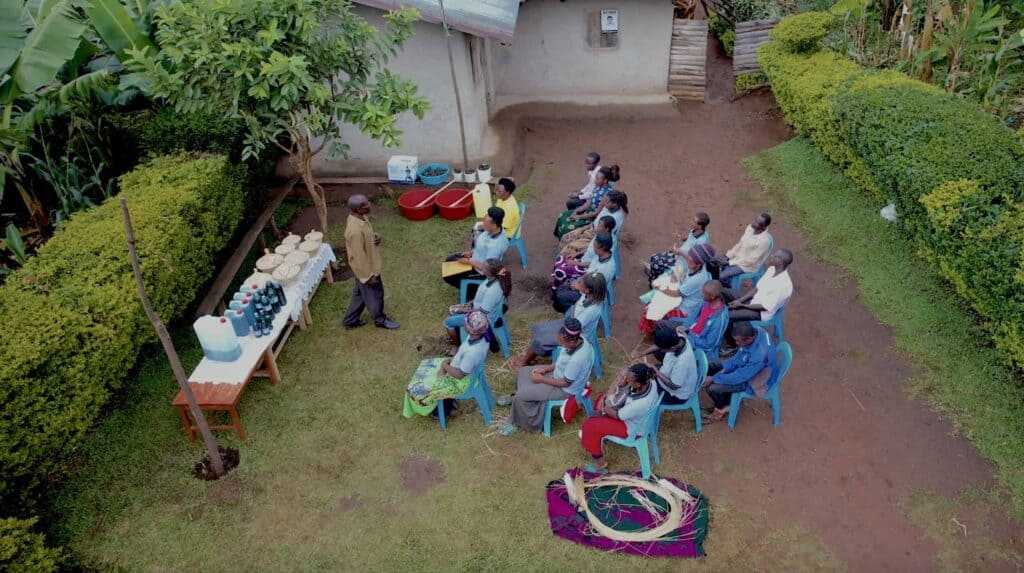
Local entrepeneurship
Entrepreneurship is a key driver of lasting change, which is why we also invest in:
- Training and coaching of WASH entrepreneurs in business management, marketing and safety.
- Knowledge exchange, so that successful entrepreneurs can serve as an example for others.
- Collaboration with microfinance institutions (MFIs) to develop suitable credit products.
- Stimulating local employment, ensuring that economic growth goes hand in hand with better access to clean water and sanitation facilities.
On the path to lasting change
We expect to complete this project in 2026. By then, we will have provided 12,500 students with direct and lasting access to clean drinking water at school. The 36 surrounding communities — together home to around 51,000 people — will benefit as well.
We aim for 55–70% of households to have basic services for water, sanitation and hygiene. To achieve this, we provide training, build awareness and make it easier for families to access financing and local WASH products through trained entrepreneurs and microfinance institutions.
This way, access to clean water improves — but just as importantly, communities gain knowledge, ownership and independence, creating the basis for long-term impact.
In partnership with
Dit project is mede mogelijk gemaakt dankzij de inzet van onze toegewijde uitvoerende partner:
Discover the latest news on this project
Progress for clean water in Uganda
Discover the progress in Uganda, where 12 out of 18 schools have gained access to clean water.
Read moreBaseline report reveals urgent WASH challenges in Uganda
Discover what the latest baseline reveals about WASH access, student health and attendance in Western Uganda.
Read morekick-off for clean drinking water in UGANDA
Discover the progress made in the first phase of our water project “Madzi for Malawi”.
Read more