From schools to communities: expanding clean water in Uganda
In 2025, the WASH, Learn & Share programme in Uganda reached a turning point.
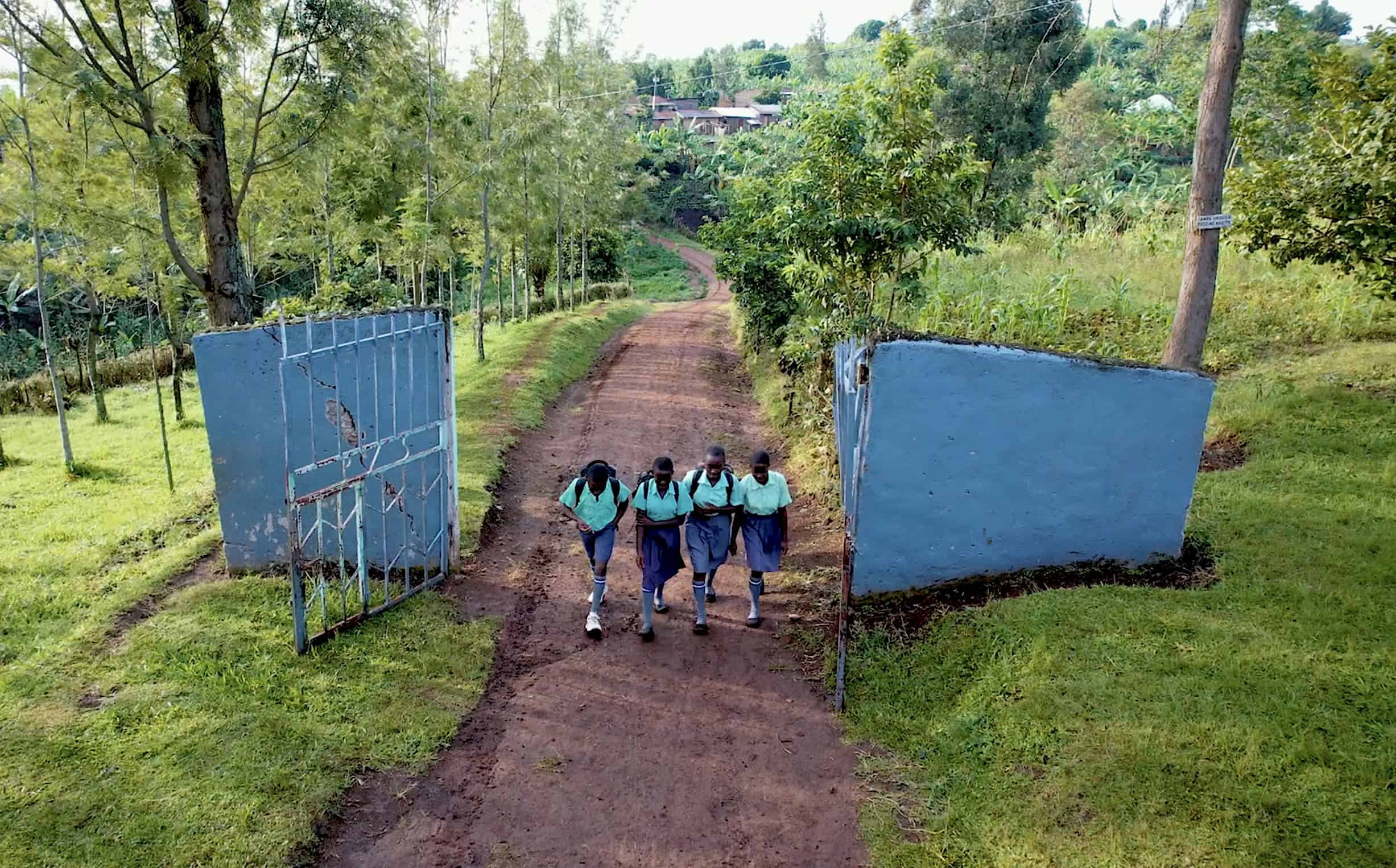
The programme has initially focused on improving water, sanitation and hygiene facilities in primary schools, creating safer, healthier environments for thousands of children. These schools became visible examples in the community of what reliable water services and proper sanitation can look like.
Access now continues beyond the school gates.
Update: 14 April 2026
Schools as the starting point for change
From the outset, schools were chosen deliberately as the entry point for the programme. They offer a unique combination of reach, visibility and influence. Every day, children and staff rely on these facilities, making schools a natural place to introduce improved hygiene practices and safe water access to the communites.
As facilities were installed and upgraded, schools began to function as local examples of change. Clean water points, handwashing stations and improved sanitation facilities made the benefits of WASH visible and tangible for the wider community.
This visibility matters. It builds trust, creates awareness, and lays the groundwork for broader adoption. In this way, schools demonstrate what is possible and encouraging communities to expect the same level of access and reliability.
“
The project is going beyond infrastructure. It’s about building systems that can continue to function and be managed locally over time.
— Diana Kazoomba, Knowledge Management & Learning Officer, WaterAid Uganda
“
Extending water into everyday life
The expansion into communities marks a significant step in the programme’s development. Water systems are now being extended to reach a broader population.
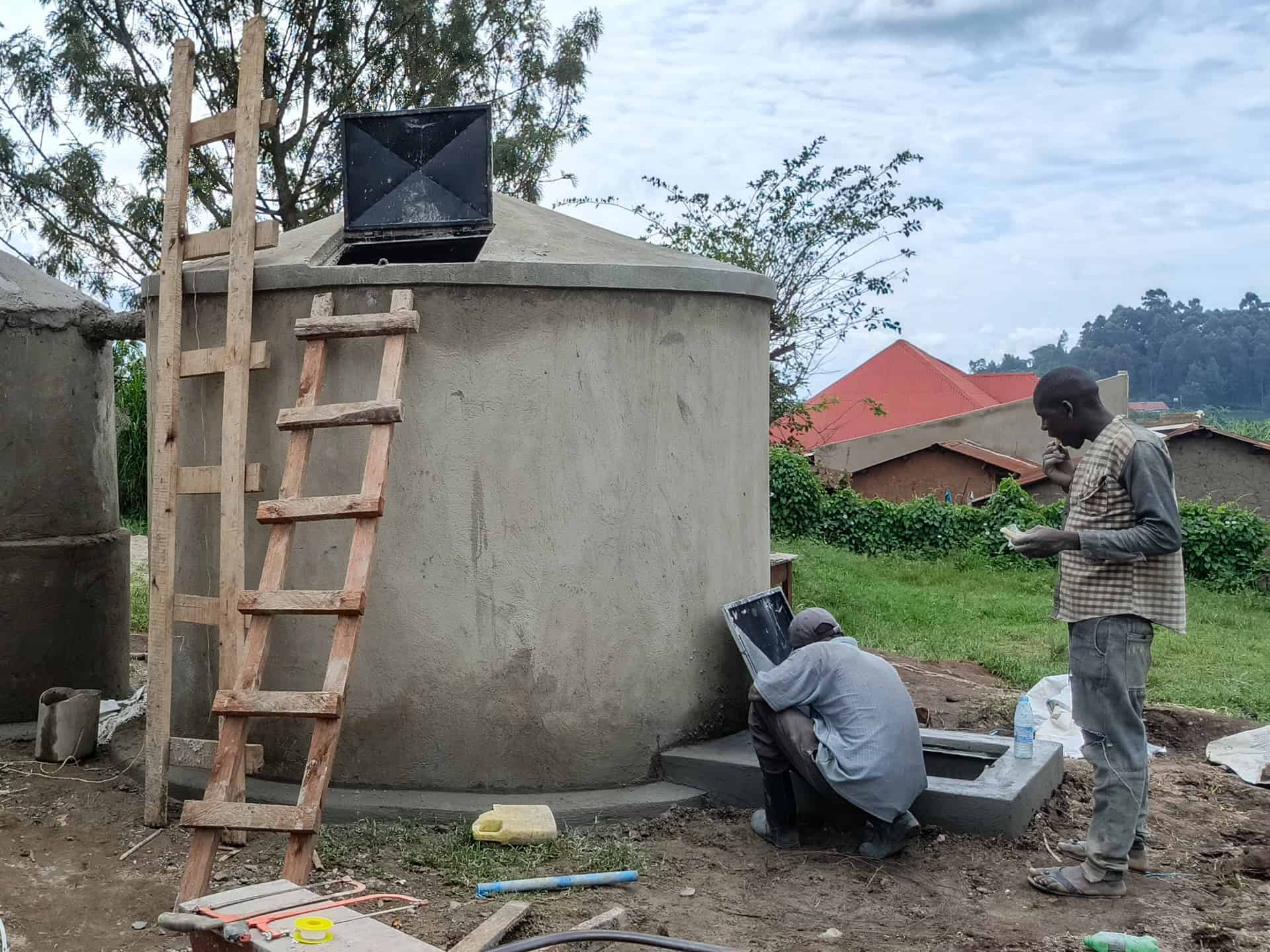
Piped water networks have been expanded across multiple villages, while public tap stands have been installed at accessible locations along these systems. In addition, household connections are gradually bringing water closer to where people live, reducing the time and effort required to collect it.
For many households, this means more time for work and education, improved hygiene practices, and increased safety, particularly for women and girls.
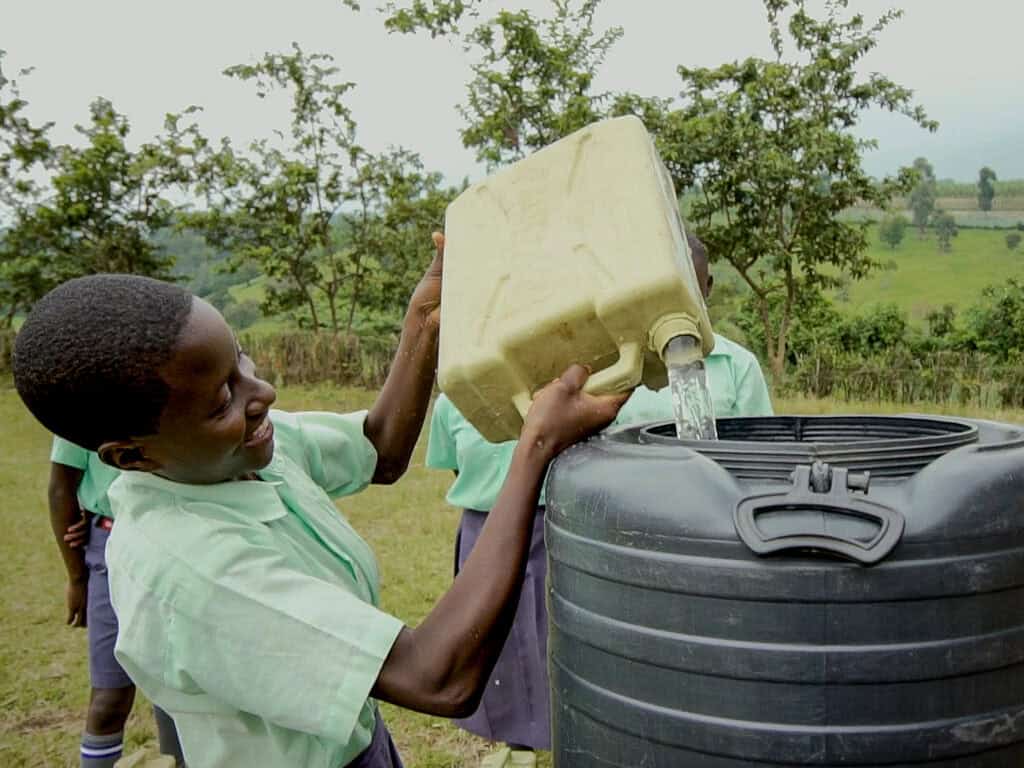
As a result, the programme now reaches far beyond the school environment, supporting more than 15,000 people with improved access to clean water.
Strengthening systems for long-term impact
Expanding from schools into communities requires more than physical infrastructure. It depends on the strength of the systems that support it. To achieve this, the programme works closely with local entrepreneurs, water utilities and community structures.
Entrepreneurs are trained and supported to provide maintenance services, creating local capacity and employment. At the same time, partnerships with public utilities help ensure that larger water systems are professionally managed and maintained.
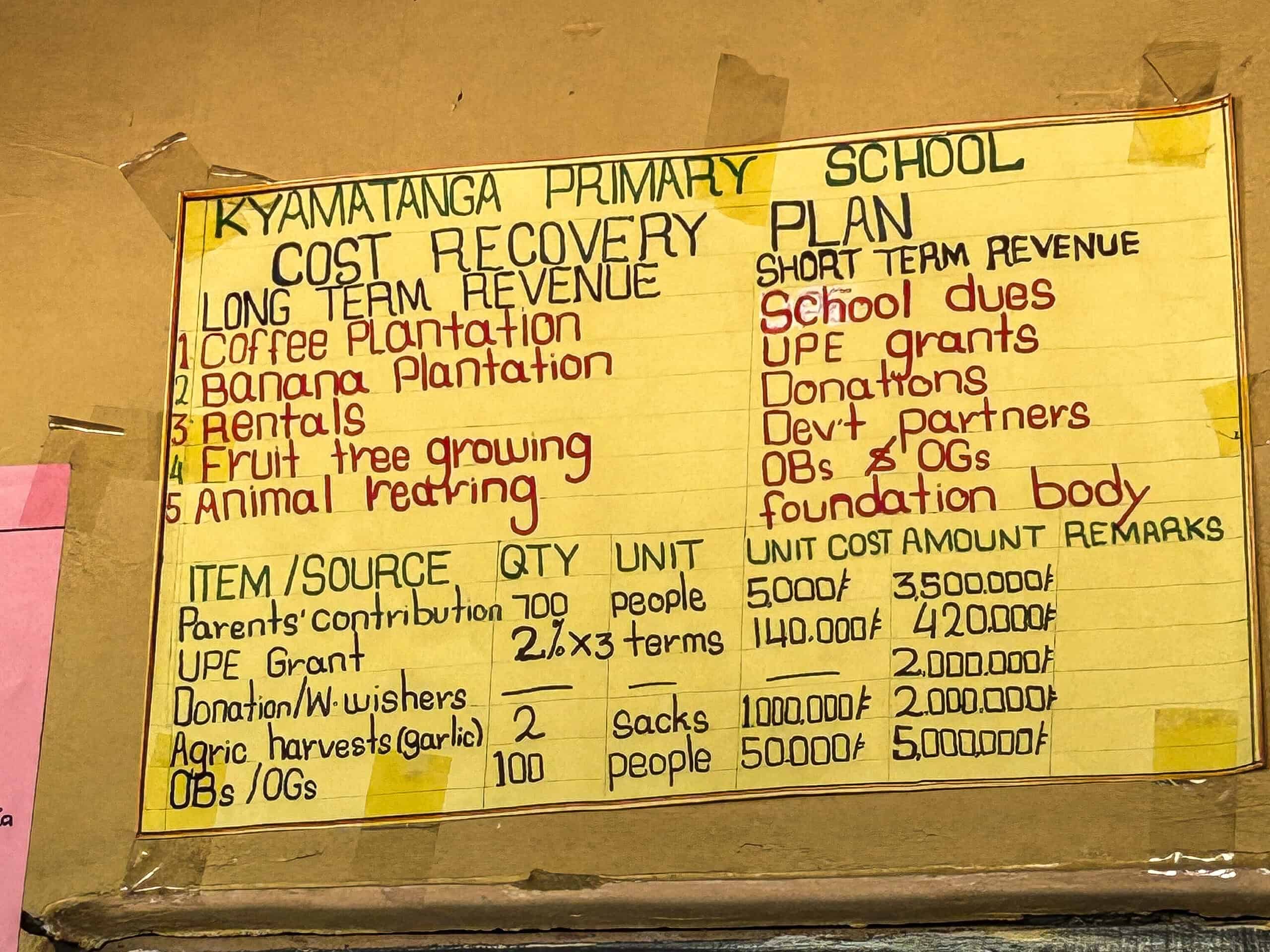
Communities themselves also play an active role. Through cost-recovery and local management structures, they contribute to the operation and upkeep of the systems. This shared responsibility strengthens ownership and increases the likelihood that services will continue over time.
“
It’s been a learning process, working with communities, schools and utilities to agree on how these systems should be managed and paid for.
— Diana Kazoomba, Knowledge Management & Learning Officer, WaterAid Uganda
“
What comes next
With infrastructure in place and systems operational, the focus now shifts to performance and scale.
In the coming phase, the programme will strengthen operation and maintenance, ensuring that water systems are not only functional, but consistently reliable. Schools and communities are increasingly taking on responsibility for managing these systems, supported by cost-recovery models and local service providers.
At the same time, efforts are underway to improve how water delivery is measured and tracked, providing clearer insight into actual usage and impact. This data will be key to guiding future decisions and scaling the approach.
Ultimately, the next step is about building more infrastructure, as well as about making existing systems work better and ensuring they continue to deliver clean water over time.
WATCH THE VIDEO
Discover how access to clean drinking water is already improving daily life in schools and communities in Uganda.
Want to learn more about this project?
Want to know more about
our water projects?
From households in Bangladesh to villages in Nepal and remote schools in Ethiopia — every Made Blue project brings sustainable clean drinking water closer to reality.
Learn about our projects and the impact we’re making together:
Malawi: Madzi for Malawi
In Malawi, more than 7 million people lack clean water. We are going to change this by building and repairing water points.
Read moreUganda: Wash, Learn & Share
In this follow-up of our WASH & Learn project in Uganda, we place an even greater emphasis on capacity building and sustainability, with a central role for entrepreneurs, women and girls.
Read moreBangladesh: Mini grids for households
In Bangladesh, mini water networks will provide 33,670 people with direct access to clean drinking water.
Read moreSierra Leone: Water and nutrition at schools
With 7 water kiosks and the provision of milk powder for school meals, we help more than 55,000 people to a better future.
Read moreFinancing for WASH entrepreneurs
One in four rural water points in Africa is out of service, often because there is no viable business model for repair and maintenance. We want to change that.
Read moreSierra Leone: Water for a good start in life
We are helping young and expectant mothers and their children live healthy and safe lives by investing in health center facilities in Sierra Leone.
Read moreContribute to Clean Drinking Water
with your organization
We are the Made Blue Foundation.
Our mission: clean drinking water for all.
Want to help make it happen?