Building a water company in rural Bangladesh: the challenges
Providing clean drinking water is one thing. Running a sustainable water company that keeps delivering it year after year is something else entirely.
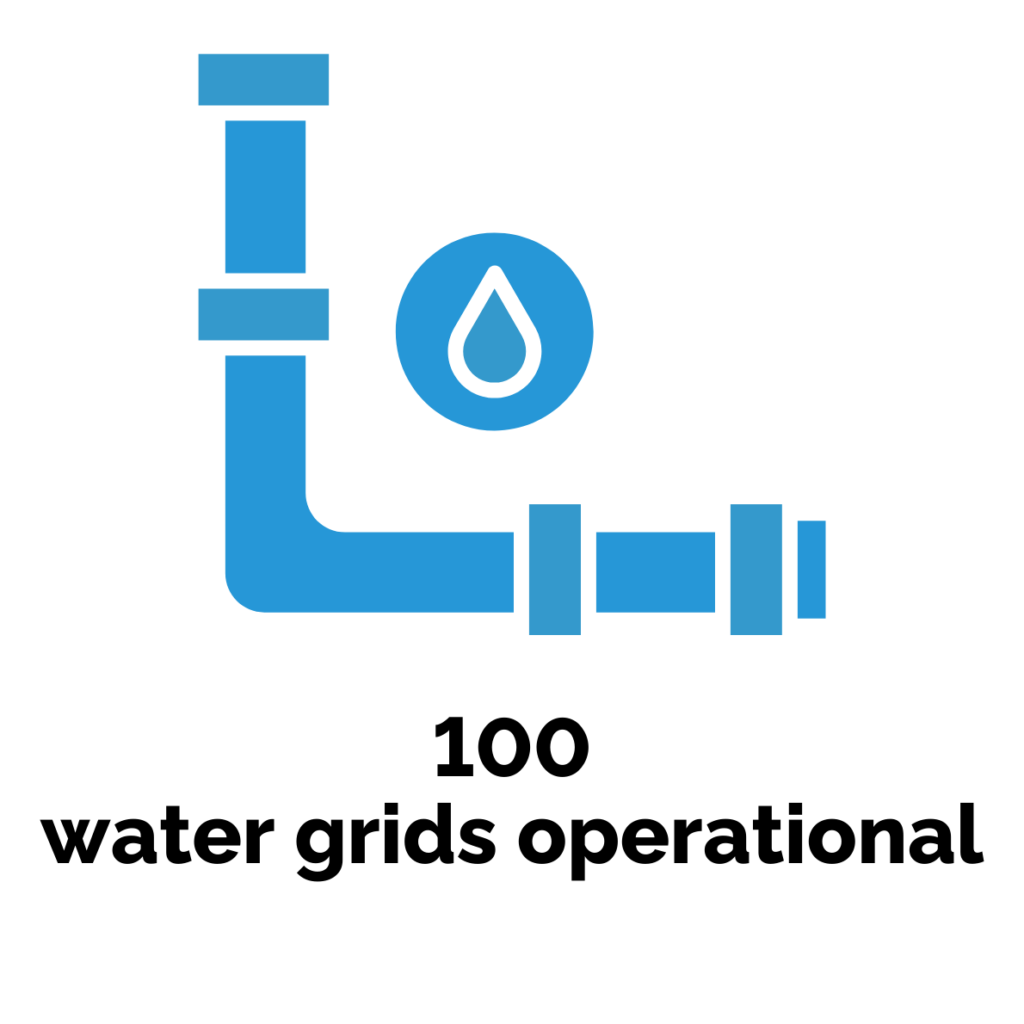
We recently caught up with our partner Max TapWater and heard about the realities of operating more than 100 rural piped water systems in Bangladesh.
Their mission sounds simple: bring safe drinking water directly to people’s homes. The reality is anything but.
Update: 15 July 2026
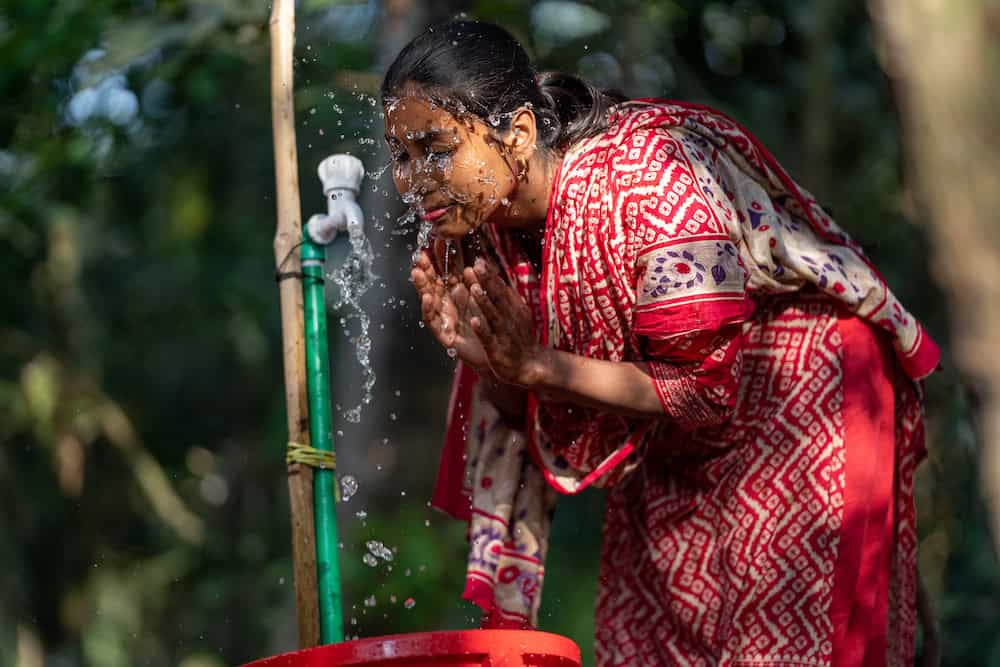
Max TapWater, social enterprise
Together with Max Foundation, we’re working to bring safe drinking water to households in remote areas of Bangladesh. We do this by building a social enterprise that can sustain itself and continue to grow: Max TapWater, social enterprise.
We’re making great progress, but not without serious challenges.
Power outages can leave a water pump out of service for an entire day. Leaks need to be detected quickly, while technicians sometimes have to travel for hours to reach remote communities.
“
If you want to make money,
do something else.
Joke Le Poole — co-founder, Max Tapwater
“
Thousands of households pay a very small monthly fee, making payment collection surprisingly labour-intensive. And because piped water is still new in many villages, families must first be convinced that a household connection is worth paying for.
As Max TapWater’s co-founder Joke Le Poole put it:
“If you want to make money, do something else. The willingness to pay is limited because water must remain affordable. But the impact we make is huge.”
Behind every litre of clean drinking water lies a constant balance between social impact and financial sustainability.
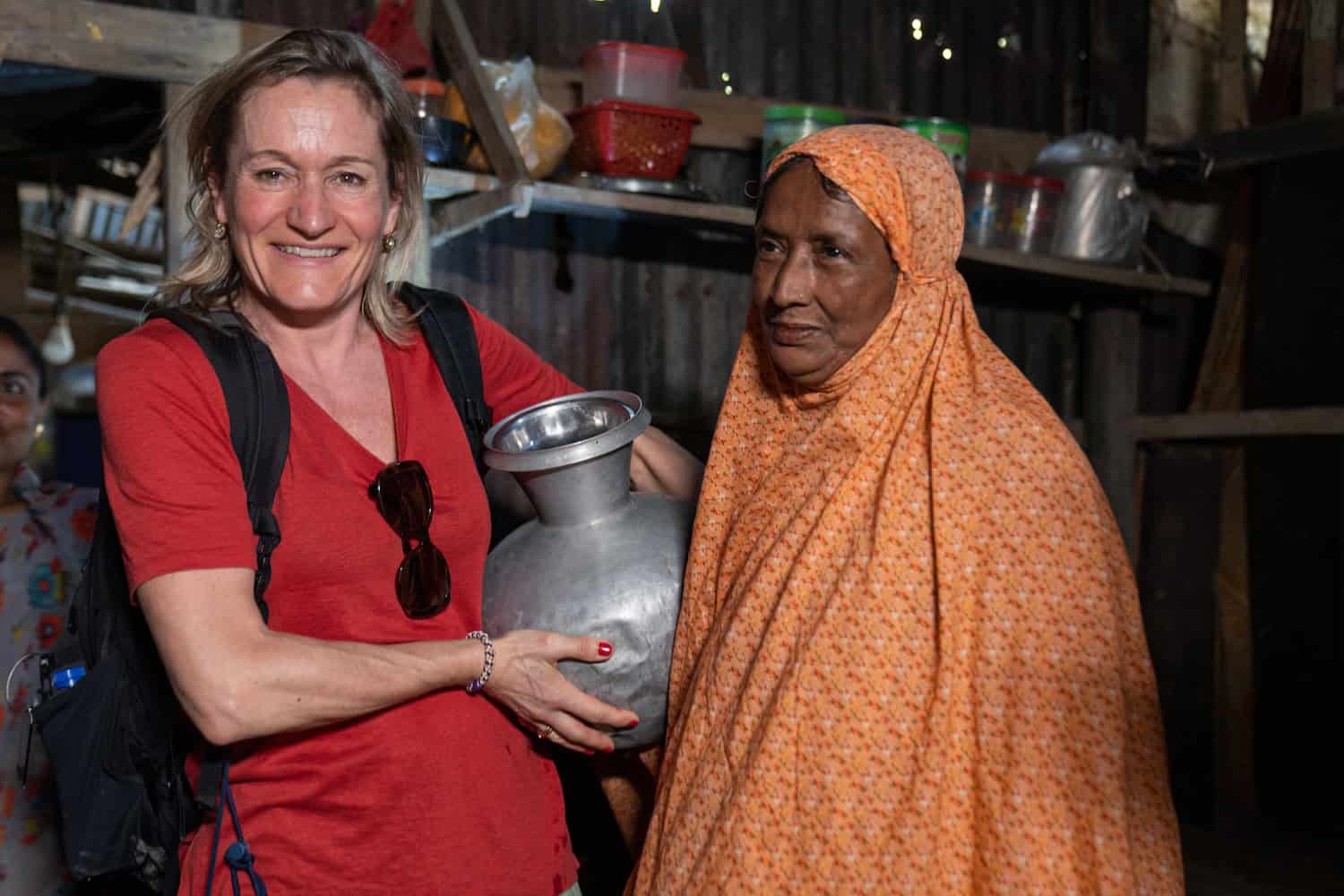
Max Tapwater
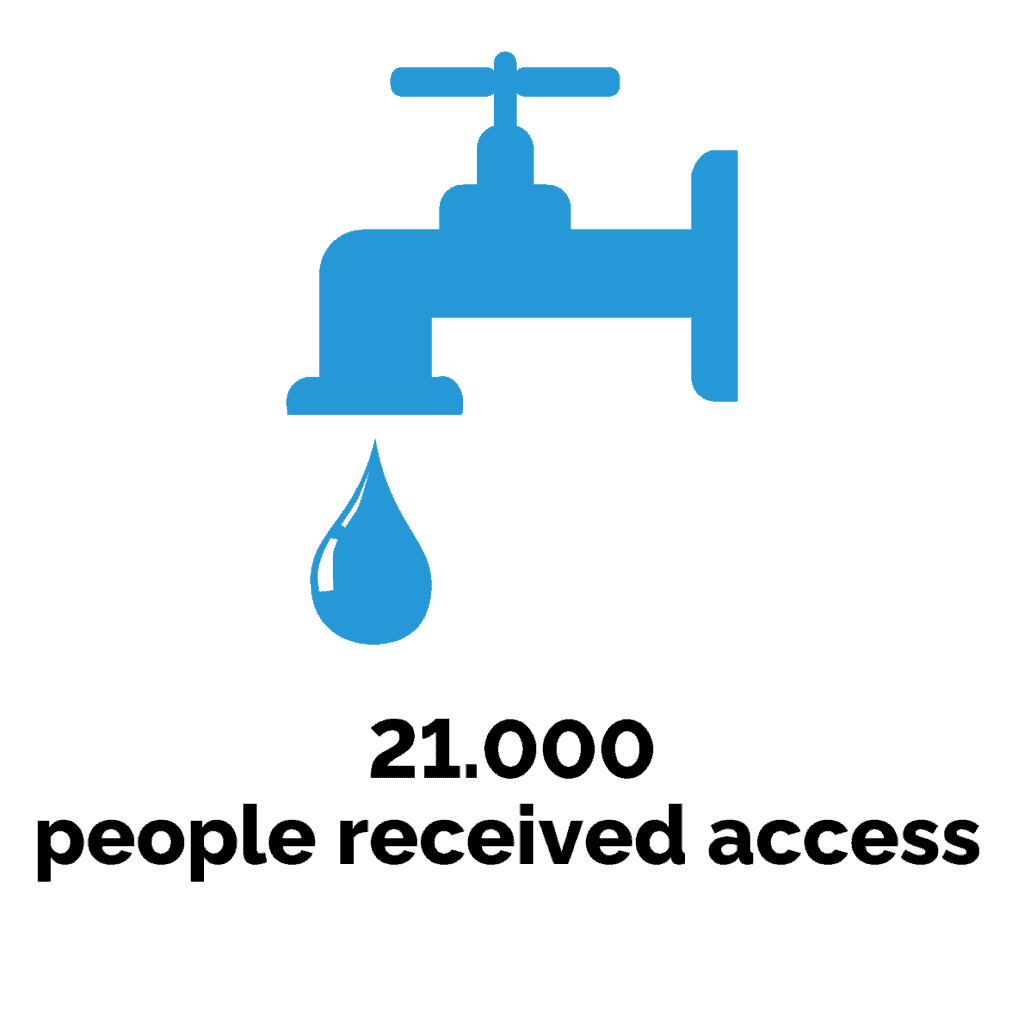
Achievements so far
Challenge #1: Non-revenue water
One of the biggest challenges is non-revenue water: water that is pumped into the network but never reaches paying customers because it is lost through leaks and other inefficiencies.
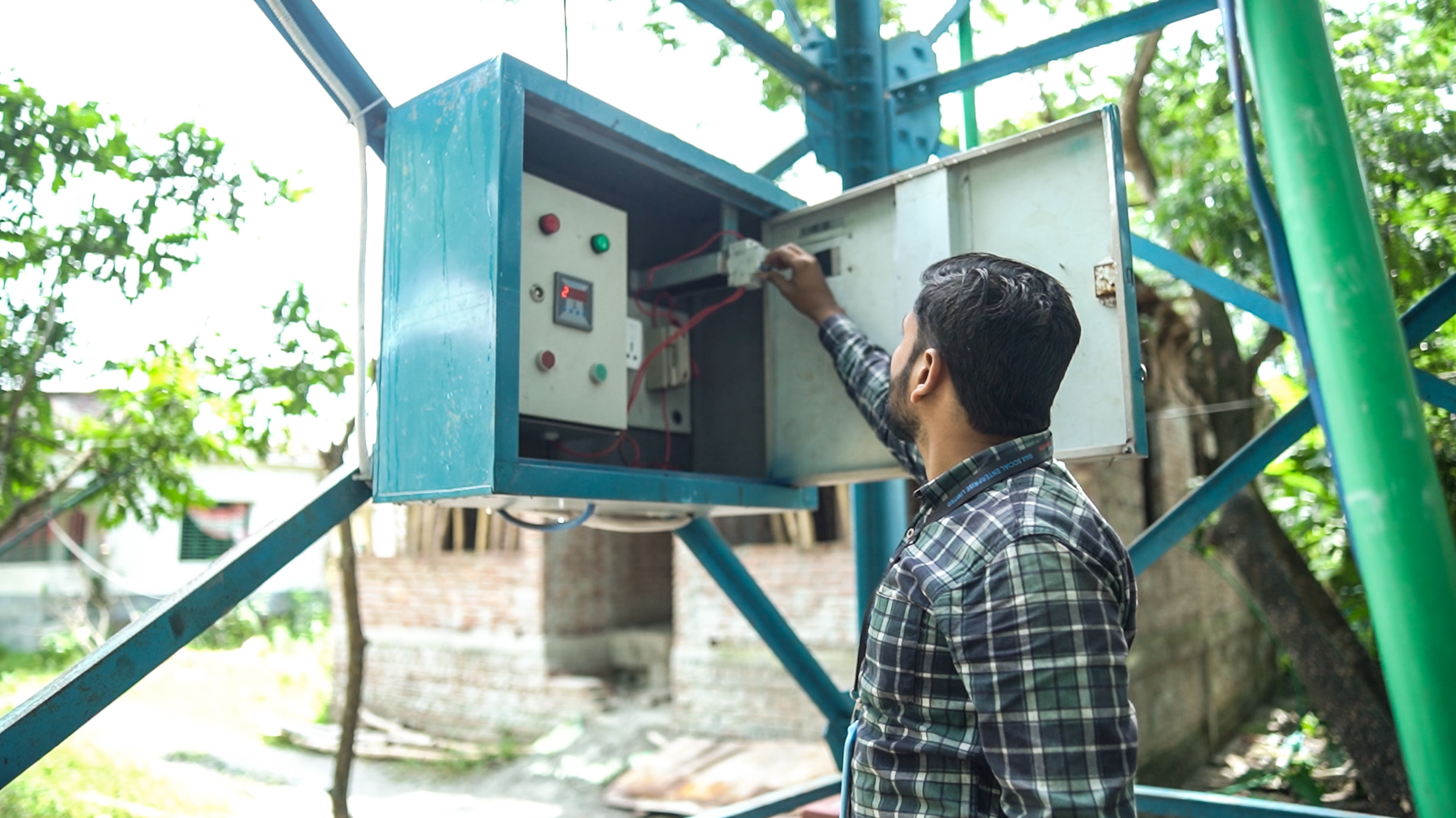
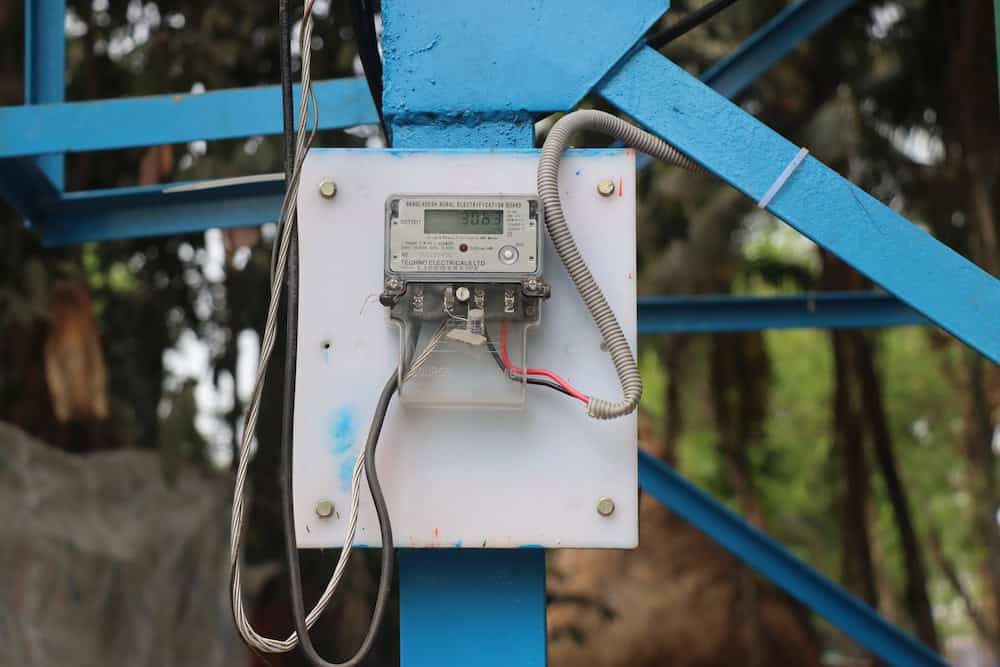
To tackle this, Max TapWater has introduced digital monitoring, automated pump controls and smart dashboards. This allows them to compare the amount of water entering networks and households, making it easier to identify inconsistencies and leaks.
While the technology cannot yet pinpoint the exact location of a leak, it provides data on where problems are occurring, helping them reduce water losses, improve reliability and build a more sustainable water service for rural communities.
Challenge #2: electricity shortages
Technical challenges are equally complex. During the summer months, some rural communities receive electricity for only a few hours each day. Voltage can be too low to run the pumps efficiently and can damage the equipment. Water towers help bridge these interruptions by continuing to supply water through gravity.
To reduce dependence on the electricity grid, Max TapWater is testing solar-powered systems and battery-powered smart meters. These innovations keep water flowing while protecting the infrastructure from unstable power supplies.
Beyond improving reliability, alternative energy sources could also lower operating costs over time, making it easier to provide an affordable and financially sustainable water service to rural communities.
Challenge #3: Attracting new customers
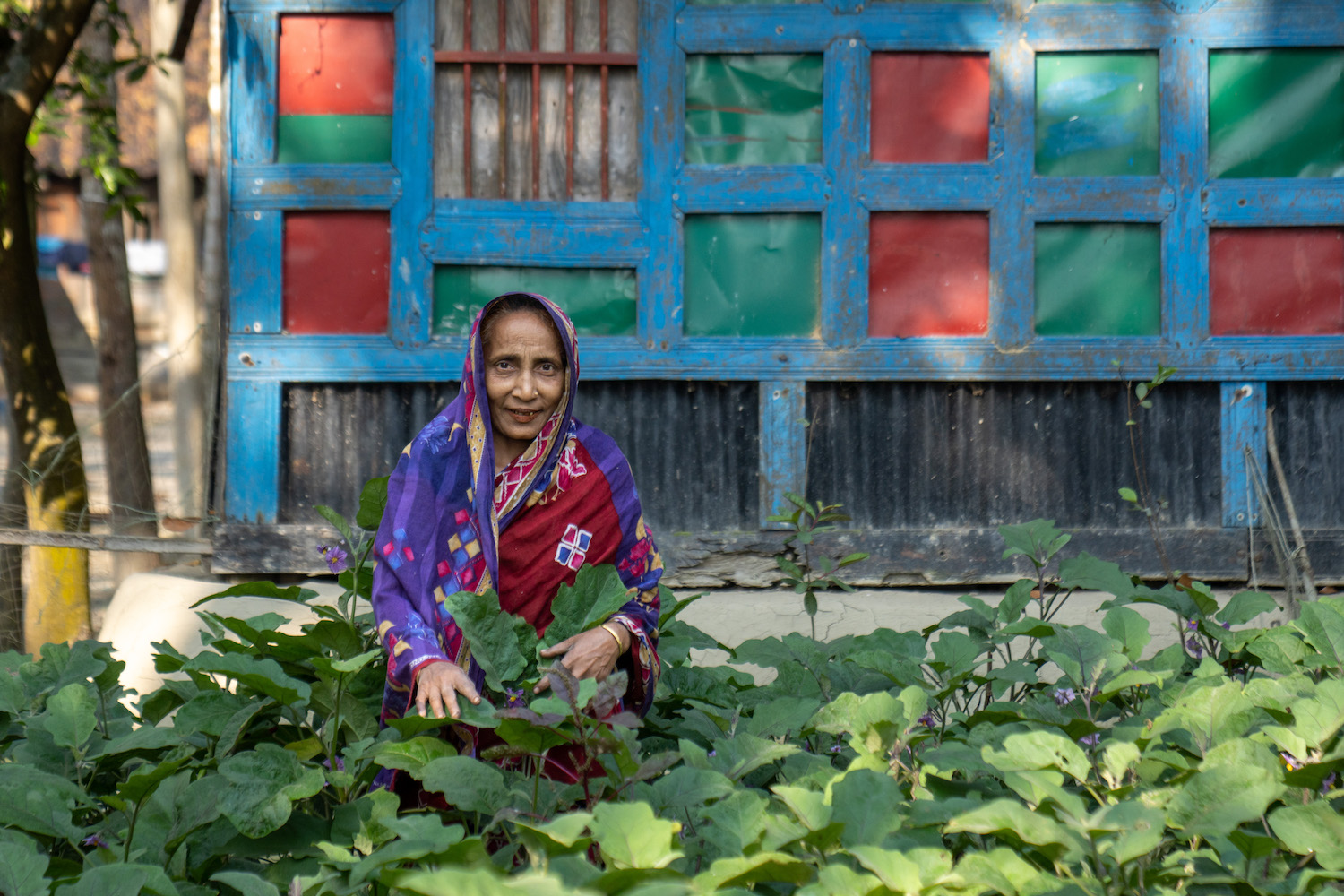
Many families have never had piped water before. For generations they relied on free surface water and hand pumps, so convincing households to pay for a private water connection requires more than simply laying pipes.
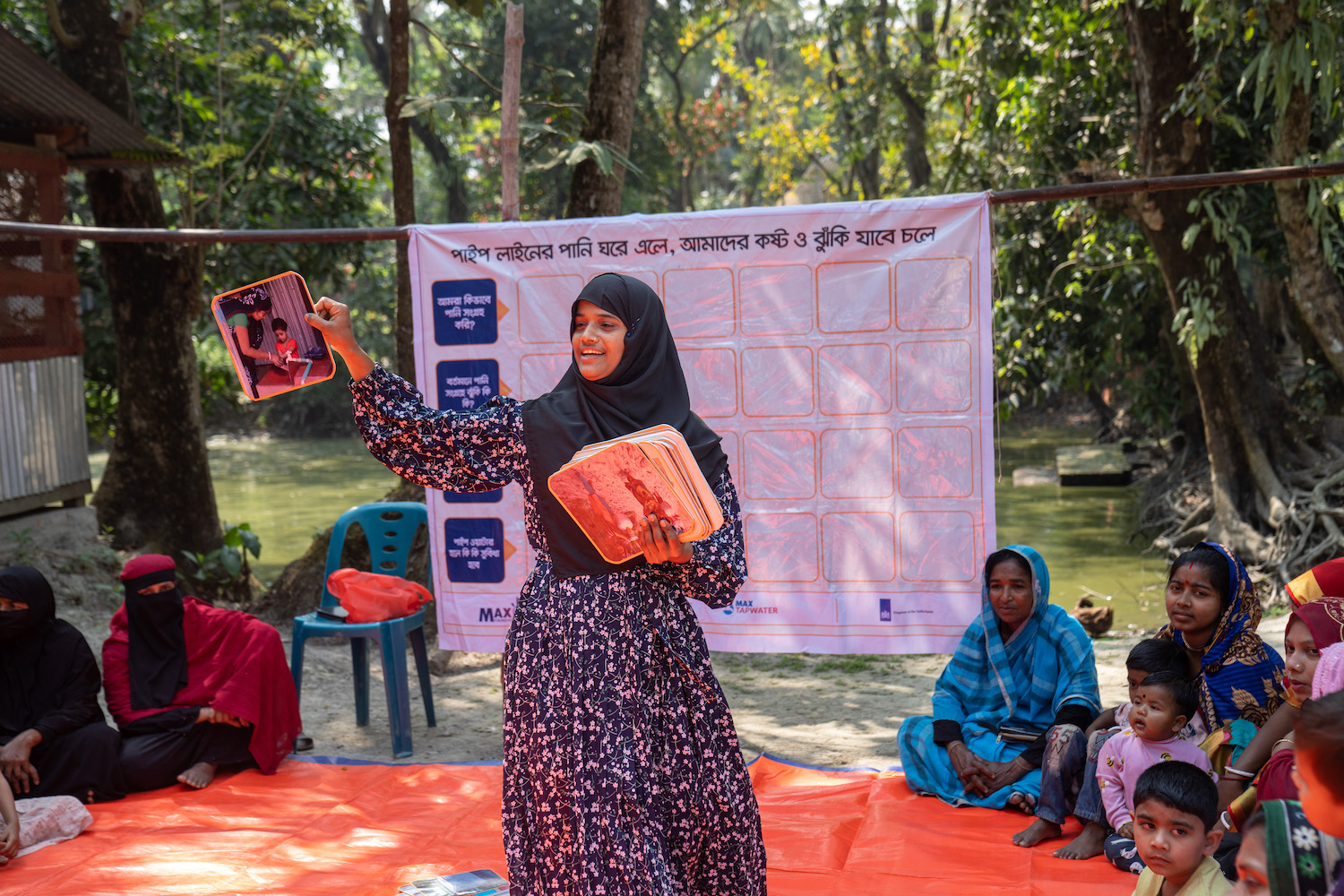
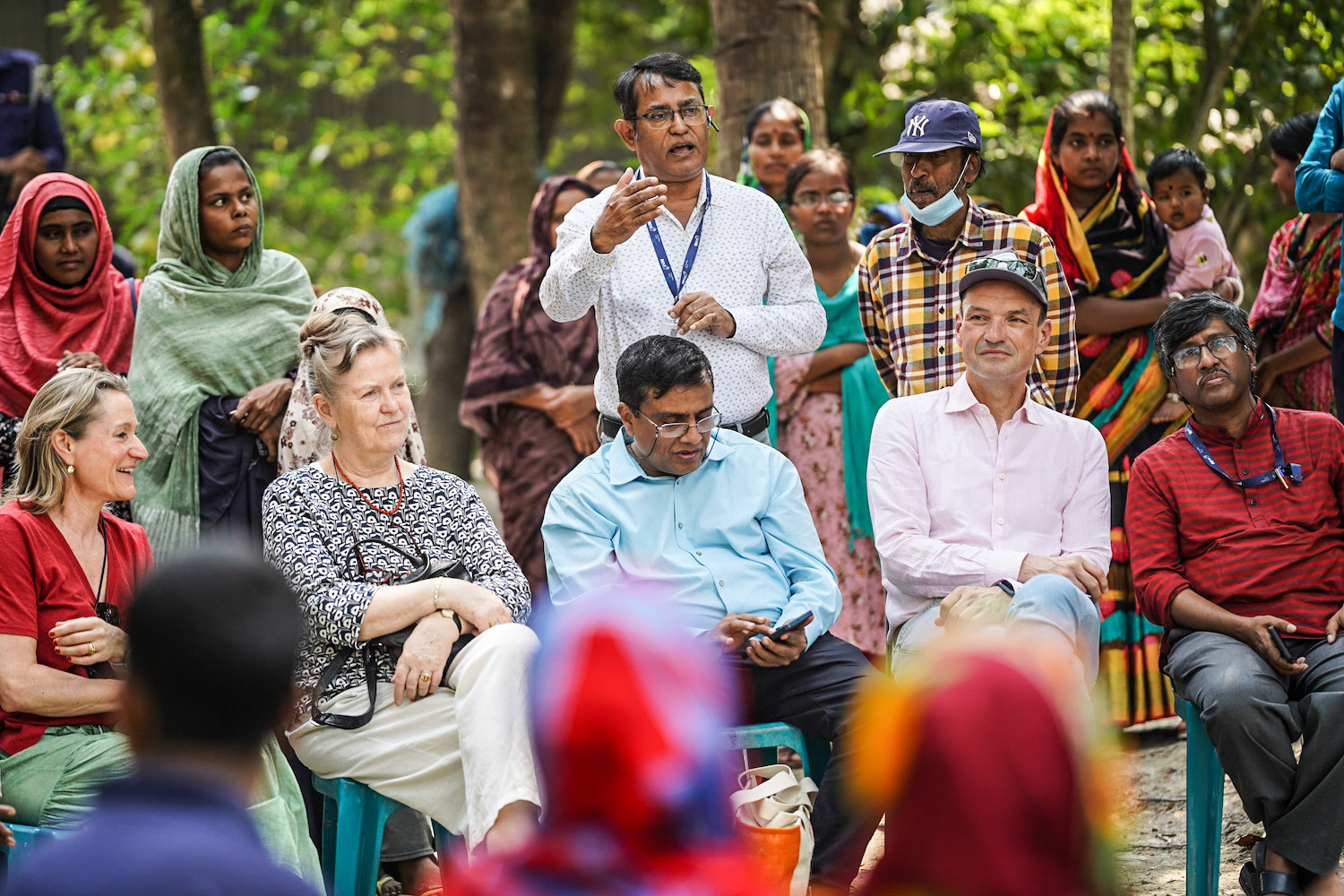
Community representatives visit villages to explain the health and convenience benefits, and even run seasonal campaigns to encourage households to connect. Once families experience having clean water at home, they rarely want to go back.
Affordability is another balancing act. While the monthly water tariff is kept very low, the connection fee can still be a significant investment for rural households. To make connections more accessible, Max TapWater has introduced payment in instalments for some families.
“
Once families experience having clean water at home, they rarely want to go back.
Joke Le Poole — co-founder, Max TapWater
“
Challenge #4: Payment collection
Finally, collecting payments presents its own challenges. Max TapWater is gradually introducing cashless payments through Bangladesh’s mobile payment platform bKash, which has already been rolled out at 40 of its 100 water grids. This reduces the risks of handling cash, improves transparency and makes it easier to collect the small monthly water tariffs.
However, many customers in remote villages don’t own smartphones or are unfamiliar with digital payments. It’s another reminder that innovation is not just about introducing new technology, but also about ensuring people can realistically use it.
To address this, households can make payments through local bKash agents, while Max TapWater staff and community representatives help customers learn how to use the new system.
“
Can we create a model that can really work from a business point of view? One that also generates enough revenue to maintain the team that needs to take care of the whole system behind it?
Joke Le Poole — co-founder, Max TapWater
“
Building a financially sustainable water utility
Ultimately, all of these challenges point to one overarching goal: building a water company that can sustain itself for the long term. As Max TapWater’s chairman Joke Le Poole explained, the ambition has never been simply to build water infrastructure, but to create “a model that can really work from a business point of view”. One that generates enough revenue to maintain and improve the systems long after they have been installed.
It is a different approach from many traditional water projects, where infrastructure is often handed over to communities after a few years. By continuously improving operations, reducing water losses and investing in smarter technologies, Max TapWater is working towards a water utility that can keep delivering safe drinking water to rural communities for decades to come.
DISCOVER MORE – WATCH THE VIDEO:
MAKE impact with the water you use, save, sell or serve
We are the Made Blue Foundation.
Our mission: clean drinking water for all.
Want to help make it happen?
Want to know more about
our water projects?
From households in Bangladesh to villages in Nepal and remote schools in Ethiopia — every Made Blue project brings sustainable clean drinking water closer to reality.
Learn about our projects and the impact we’re making together:
Uganda: Wash, Learn & Share
In this follow-up of our WASH & Learn project in Uganda, we place an even greater emphasis on capacity building and sustainability, with a central role for entrepreneurs, women and girls.
Read moreFinancing for WASH entrepreneurs
One in four rural water points in Africa is out of service, often because there is no viable business model for repair and maintenance. We want to change that.
Read moreMalawi: Madzi for Malawi
In Malawi, more than 7 million people lack clean water. We are going to change this by building and repairing water points.
Read moreBangladesh: Mini grids for households
In Bangladesh, mini water networks will provide 33,670 people with direct access to clean drinking water.
Read moreSierra Leone: Water for a good start in life
We are helping young and expectant mothers and their children live healthy and safe lives by investing in health center facilities in Sierra Leone.
Read moreSierra Leone: Water and nutrition at schools
With 7 water kiosks and the provision of milk powder for school meals, we help more than 55,000 people to a better future.
Read more