Field Notes From Malawi
Meeting the Communities Behind Our Water Projects
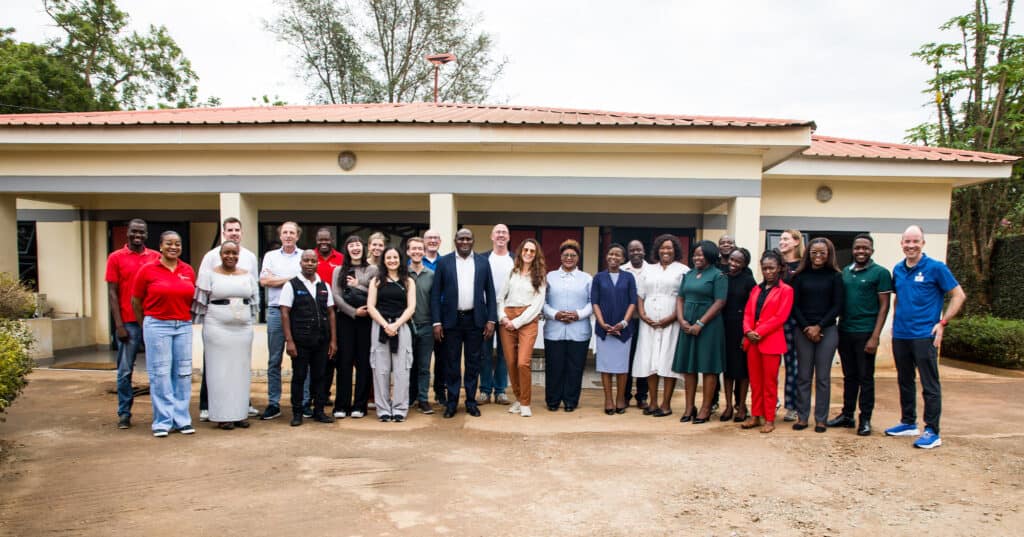
In November, we travelled to Malawi with a group of Made Blue ambassadors, Quooker, i-team Global, Tribe and MERKKwater, to see how reliable water access is improving daily life. The visit offered a rare, unfiltered look at the reality on the ground, from the basic infrastructure communities depend on to the people and partnerships keeping it running.
Update: 23 November 2025
Seeing the Reality: When Basic Water Infrastructure Is the Only Option
The largest parts of Malawi don’t have access to piped water. Instead, water access for most communities still begins and ends with one essential element: a borehole. For thousands of households, it’s the single point of safe water — serving families, schoolchildren and health workers every day.
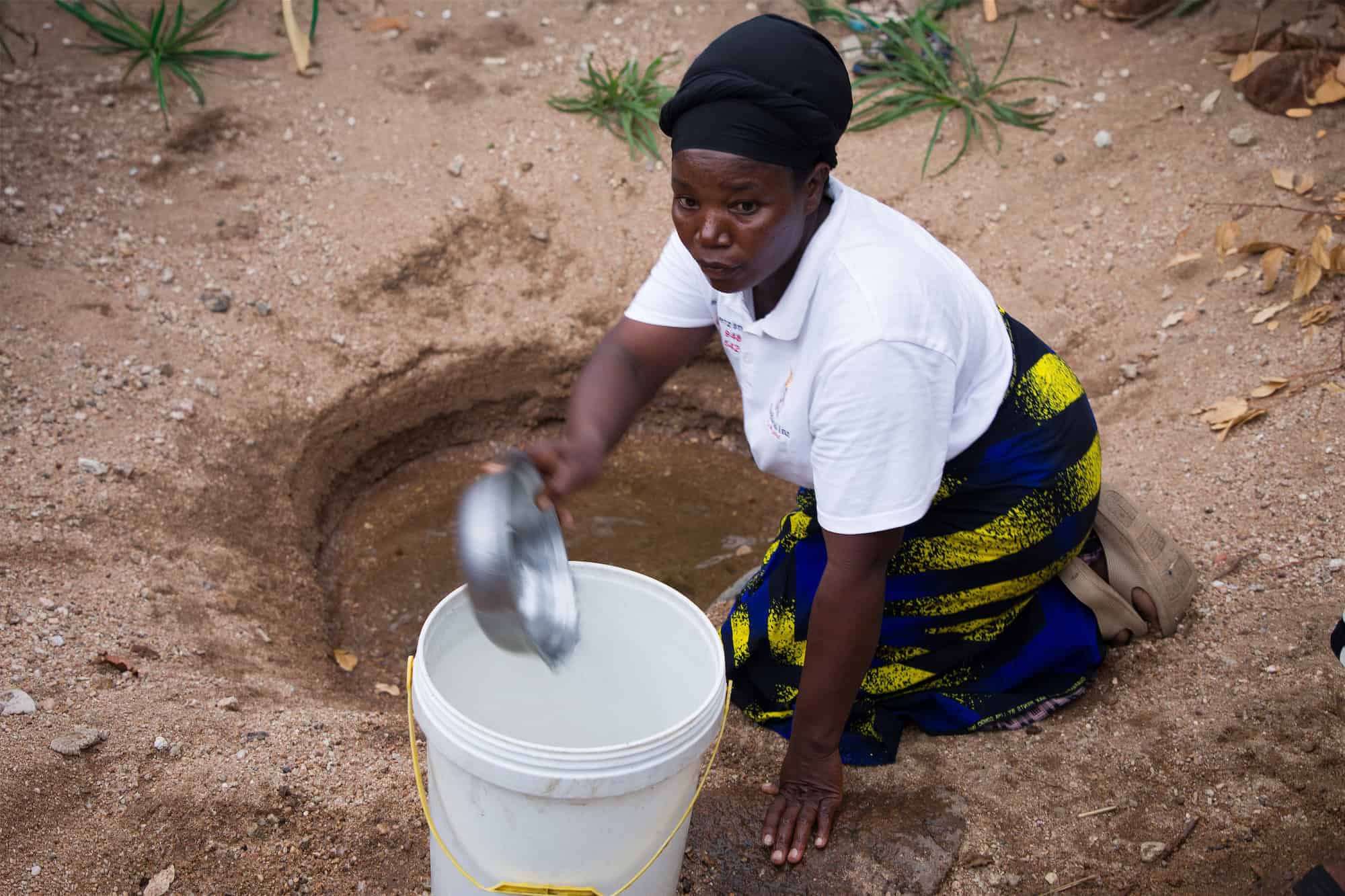
When a borehole breaks down, the alternative is not a tap nearby. It’s often a return to old, unsafe sources:
Shallow wells, muddy riverbeds, or seasonal streams that can be far away on foot. Walking with residents to one of these former sources made this reality painfully tangible. What looks like a simple infrastructure challenge is, in fact, a daily struggle with direct consequences for health and dignity.
“
Small things can make a big difference. We saw around four boreholes, and if you hear the stories and what difference it made for people, that really makes you even more enthusiastic.
— Walter Peteri, Owner and Chairman, Quooker
“
Boreholes for Communities, Health Centres and Schools
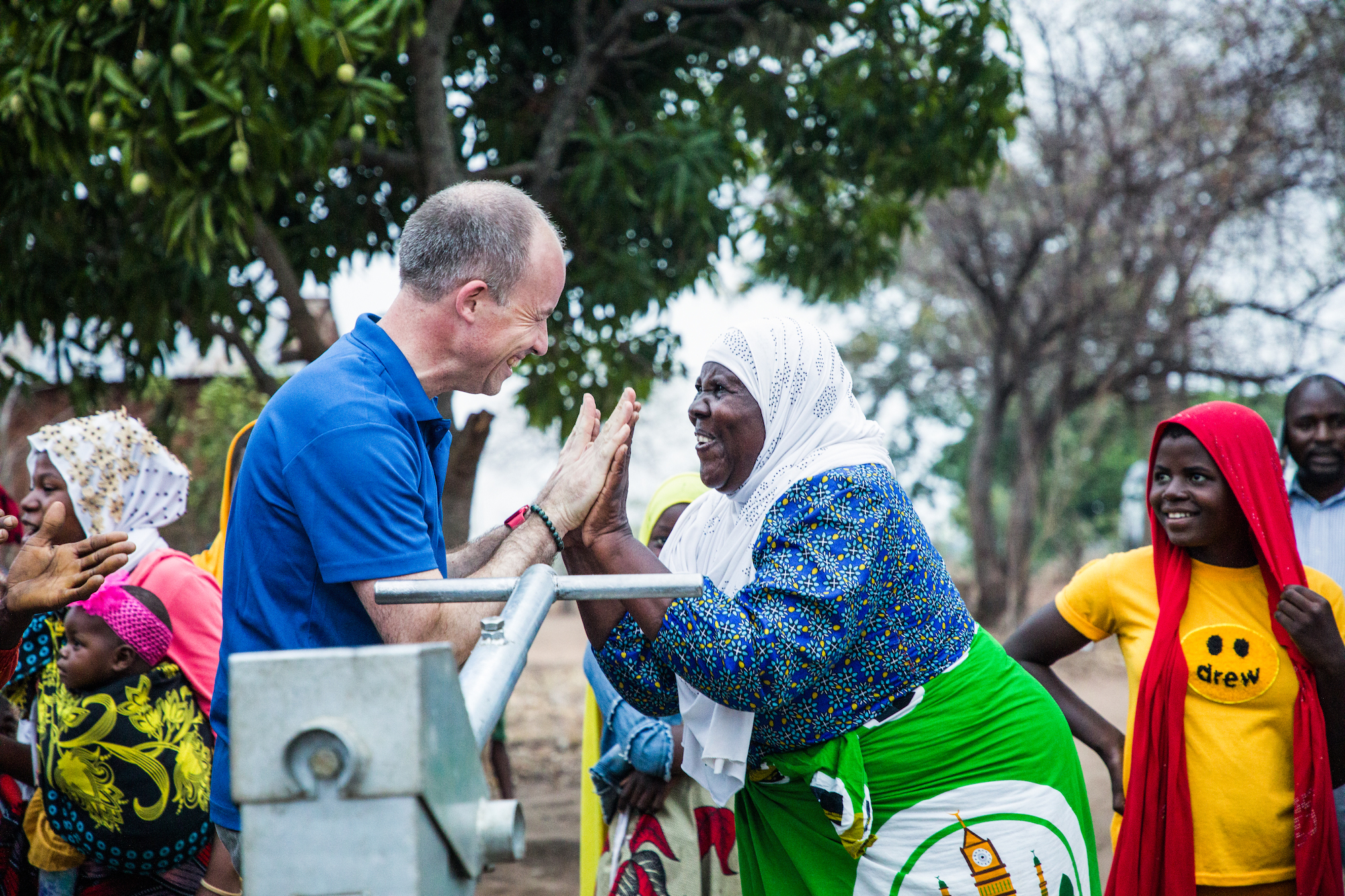
Throughout Machinga and Zomba, we saw the impact of our joint work:
- New boreholes providing safe water to remote communities.
- Repaired and rehabilitated systems bringing old water points back to life.
- Strong water access in health centres, where clean water is essential for safe deliveries, infection prevention and patient care.
- Improved water access in schools, enabling better hygiene and creating a healthier learning environment for students.
At each site communities reminded us that water is not just an infrastructure investment. It’s the foundation of health, education and opportunity.
“
I had the pleasure — the honor — to put a bucket on my head and walk. I couldn’t make it past 50 meters. It was so heavy. And that was a small one. To step into their shoes for a second: it was very impactful for me personally.
— Eva Senhub, Environmental Manager, Tribe London Canary Wharf
“
Appreciating How Boreholes Transform Daily Life
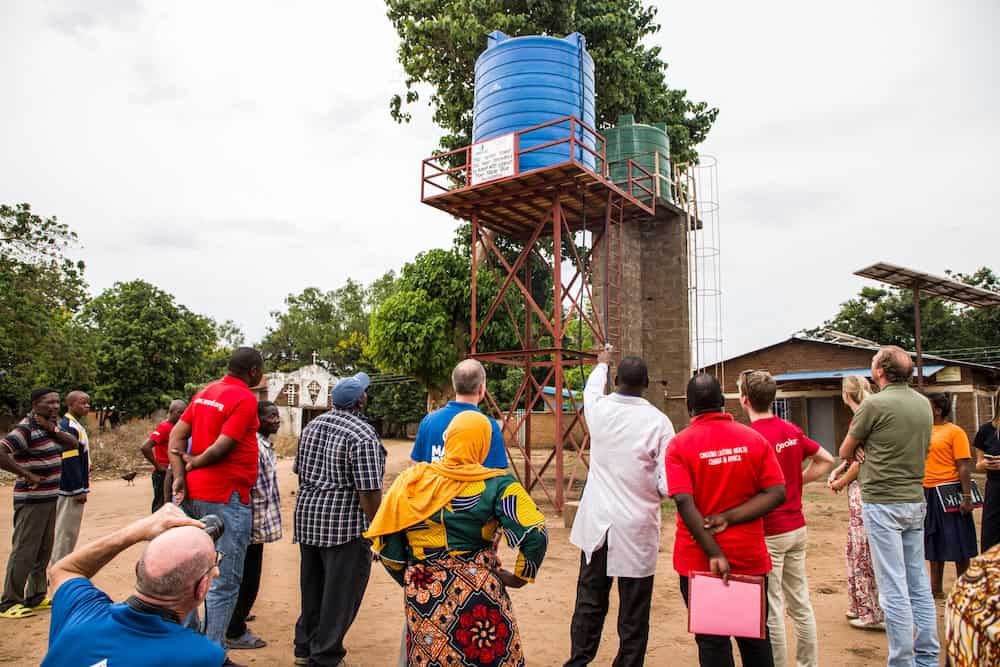
The strongest impressions came from the moments spent with community members proudly showing the reliable water point that replaced long walks to unsafe sources, explaining how accessible water helps them wash hands, use latrines safely, and stay in class. Health workers described how water access changes the entire rhythm of their clinic, from cleaning instruments to supporting maternity care.
Clean water doesn’t simply fill a jerrycan. It gives back time, reduces disease, increases safety, and allows families to plan their days rather than react to scarcity. Small infrastructure has enormous human outcomes.
“
We walked back to the new situation, and it’s incredible: now they can just pump water. The children can go to school and don’t have to walk all those kilometers for water.
— Erik Groen, Imagineer, i-team Global
“
Learning About Entrepreneurship to Keep Water Infrastructure Going
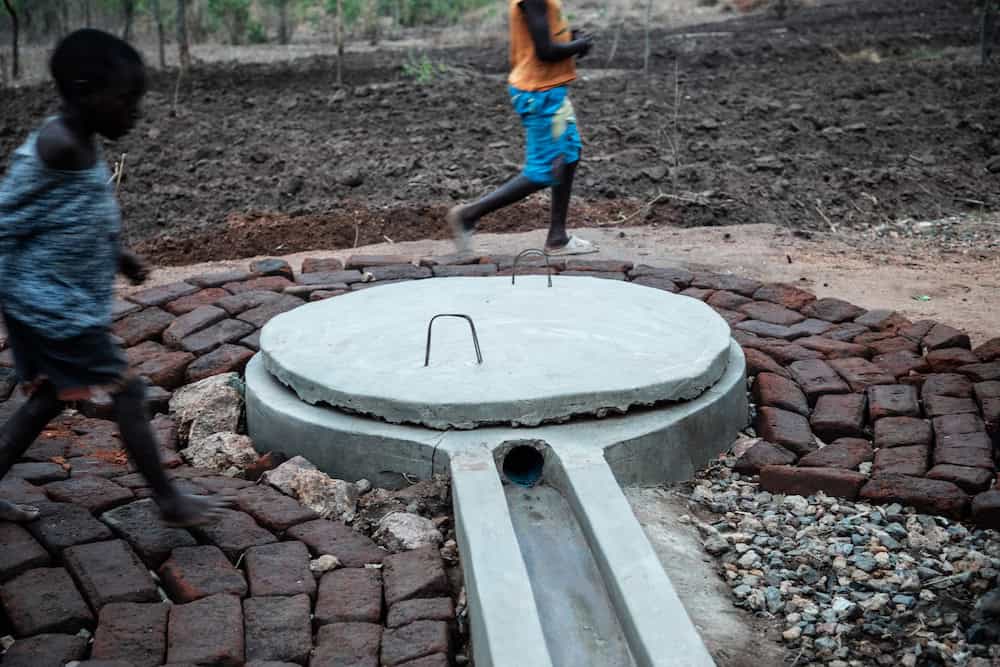
A recurring theme throughout the visit was sustainability. Boreholes can’t rely on goodwill alone; they need systems.
We saw how important it is to support communities in managing water points as small enterprises, ensuring funds are collected for repairs, spare parts and maintenance. This entrepreneurial approach creates ownership, accountability and long-term resilience.
It was encouraging to see local committees explaining their savings structures, fee collection, and repair plans — practical solutions that keep water flowing long after the initial installation.
“
We’ve learned a lot about resource mobilisation and income generation, ensuring that there’s funds available in the communities to make sure that the hardware, the borehole, the pumps and the infrastructure can be maintained, repaired, and maybe even expanded.
— Machiel van Dooren, co-founder, Made Blue Foundation
“
Expertise on the ground making it happen
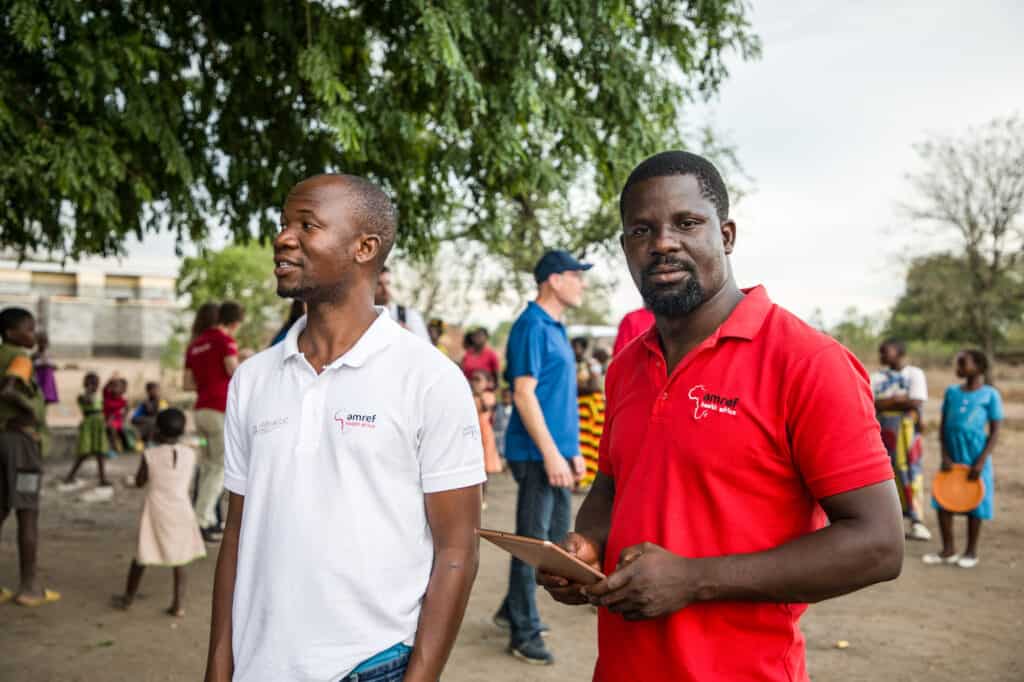
Behind every working water point is a team making sure it stays that way. During our visit, we had the opportunity to meet the dedicated staff of Amref Health Africa in Malawi, our local implementing partner. Their work goes far beyond constructing or repairing a borehole.
They train communities, build the capacity of Water Point Committees, and ensure each system has ownership, transparency and a realistic plan for maintenance. They also integrate water access with hygiene education, maternal health programmes and community outreach — because water is more than a convenience; it’s a prerequisite for public health.
WATCH THE VIDEO
Want to know more about
our water projects?
From households in Bangladesh to villages in Nepal and remote schools in Ethiopia — every Made Blue project brings sustainable clean drinking water closer to reality.
Learn about our projects and the impact we’re making together:
Bangladesh: Mini grids for households
In Bangladesh, mini water networks will provide 33,670 people with direct access to clean drinking water.
Read moreFinancing for WASH entrepreneurs
One in four rural water points in Africa is out of service, often because there is no viable business model for repair and maintenance. We want to change that.
Read moreSierra Leone: Water for a good start in life
We are helping young and expectant mothers and their children live healthy and safe lives by investing in health center facilities in Sierra Leone.
Read moreMalawi: Madzi for Malawi
In Malawi, more than 7 million people lack clean water. We are going to change this by building and repairing water points.
Read moreSierra Leone: Water and nutrition at schools
With 7 water kiosks and the provision of milk powder for school meals, we help more than 55,000 people to a better future.
Read moreUganda: Wash, Learn & Share
In this follow-up of our WASH & Learn project in Uganda, we place an even greater emphasis on capacity building and sustainability, with a central role for entrepreneurs, women and girls.
Read moreContribute to Clean Drinking Water
with your organization
We are the Made Blue Foundation.
Our mission: clean drinking water for all.
Want to help make it happen?