A successful start for clean drinking water in Malawi
Made Blue is working with Amref Malawi on something that many of us take for granted: access to safe drinking water. This change is felt most immediately by women and girls, who are disproportionately responsible for collecting water. The project is off to a strong start: nearly all early targets have been exceeded, and three villages, one school and two health centres now have clean and reliable water.
Update: 4 December 2025
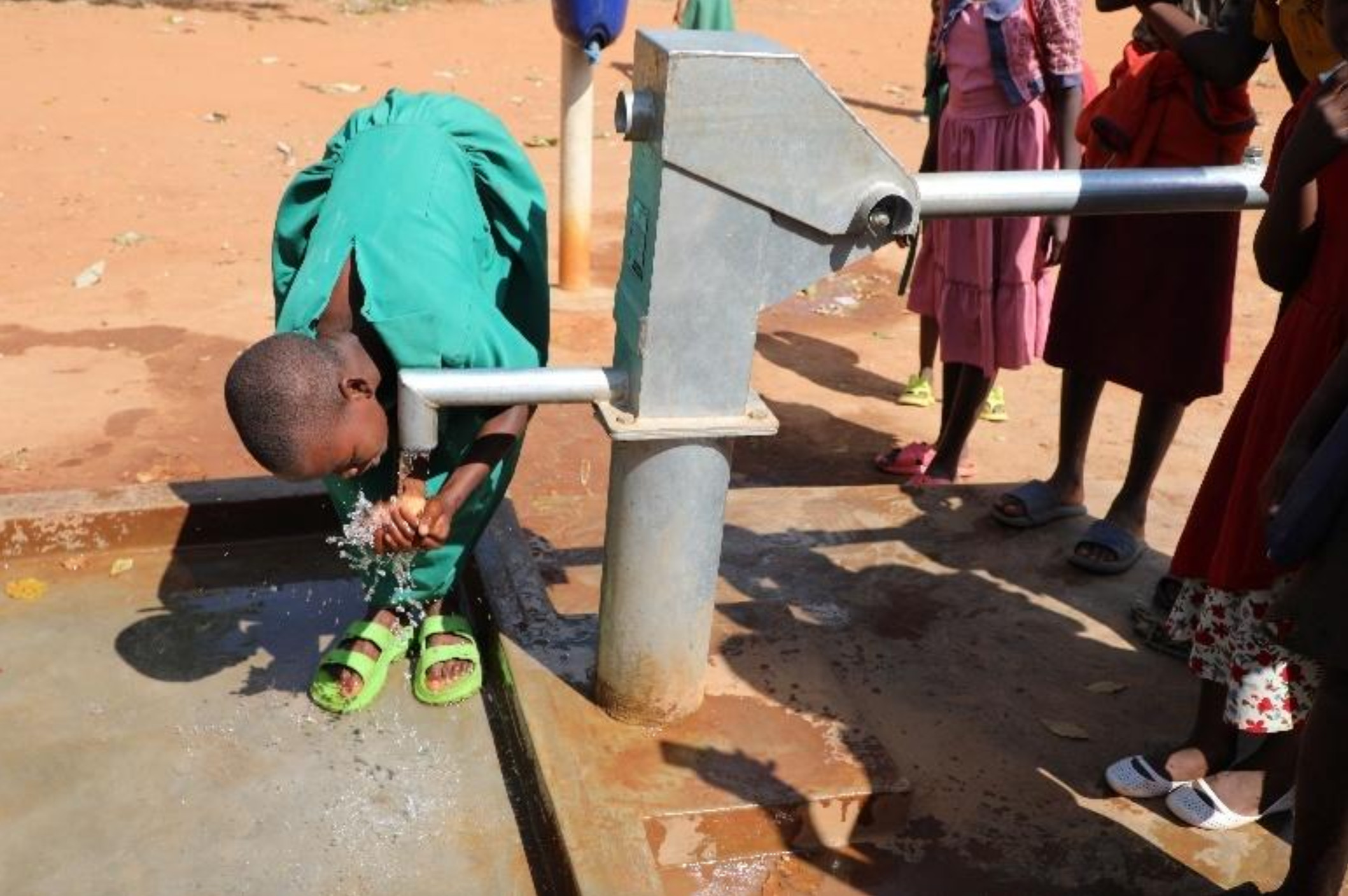
Clean drinking water in Malawi: phase 1 – achieved results
The first eight months of the project have flown by, marked by several key milestones. The first three villages now have a functioning water supply, and a school and two health centres have been successfully connected to a reliable water source.
In most cases we exceeded our original targets, allowing us to put additional focus on strengthening the long-term sustainability of the infrastructure. The strong progress in these early months is due in large part to support and engagement within the community.
“
The foundation was laid by discussions with the Ministry of Health, the Ministry of Water and local District Councils. Local authorities, village leaders and community representatives were present and expressed their support. This provided the project with legitimacy and broad community buy-in.
— Amref Health Africa Malawi
“
3 Villages and 1 school receive new borehols
In Machinga, three new water systems were completed in the villages of Nyanje, Sija and Kundowa. As a result, 996 people now have access to safe drinking water, well above the original target of 750. For these communities, it means they no longer have to travel long distances or rely on unsafe water sources.
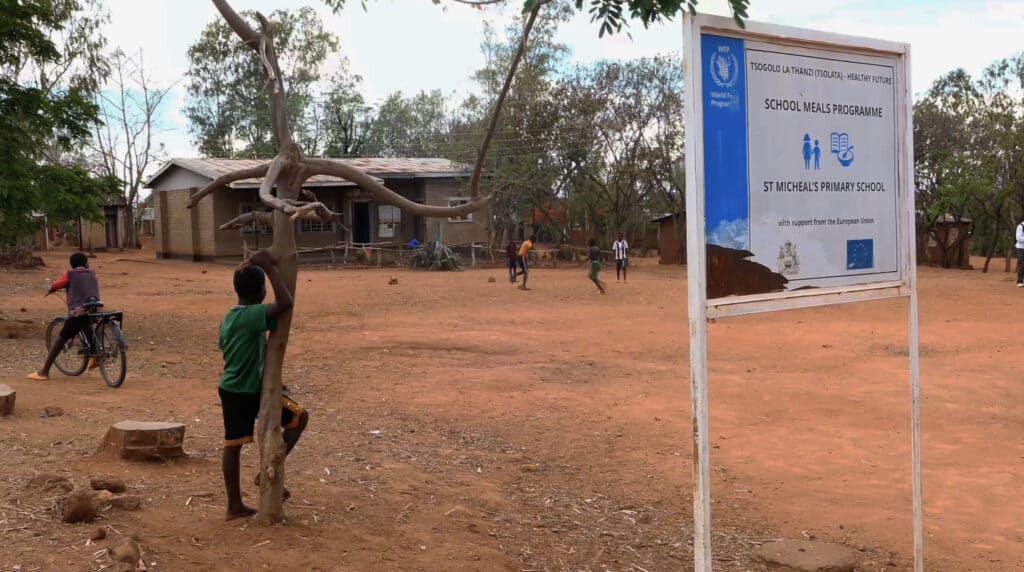
In consultation with local authorities, two schools in Zomba were selected for new water installations. The borehole at St. Michaels was successful, giving 1,809 students access to clean drinking water. At Naphini School, however, the borehole turned out to be dry. Later in the programme, this challenge will be solved by diverting water from another source to the school grounds.
“
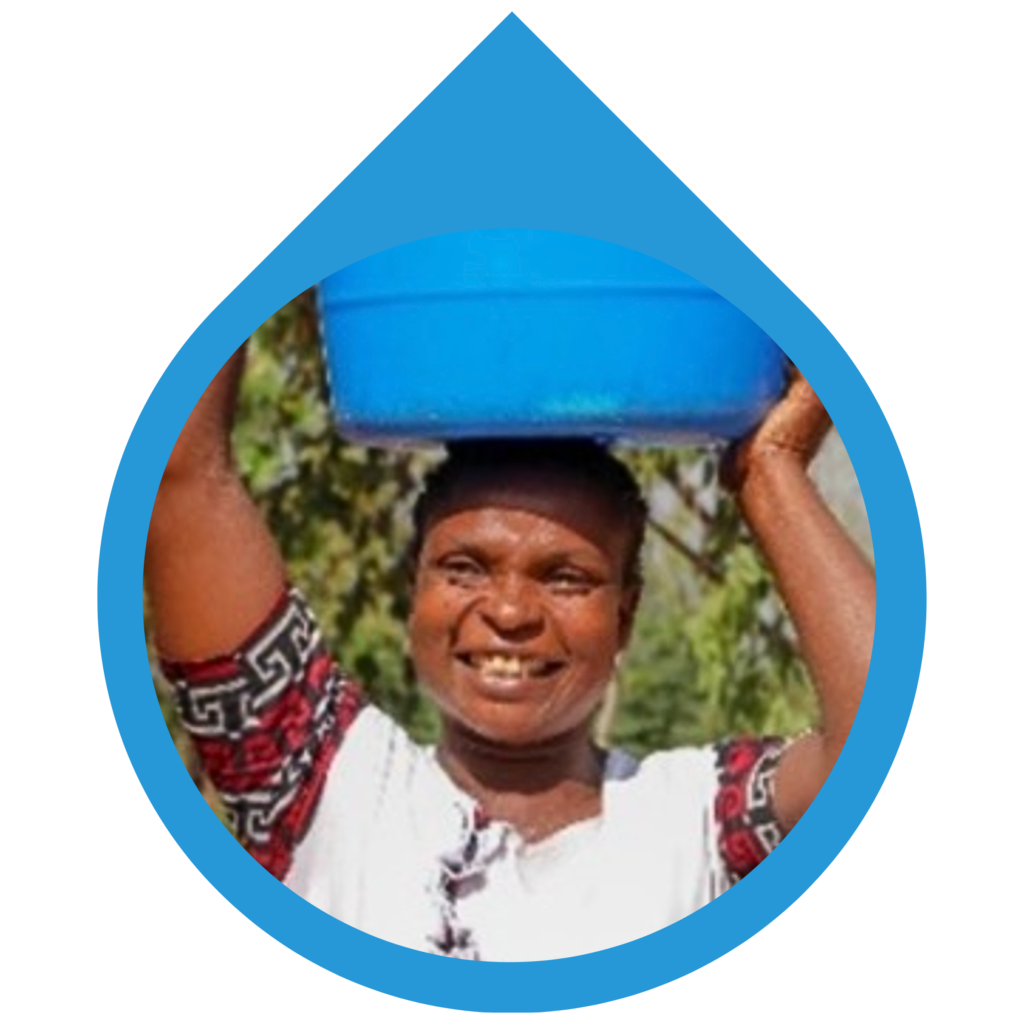
Now I wake up knowing I can collect water whenever I need it. It’s close by, there’s no queue, and I can focus on taking care of my family.
— Joyce Gumbala, resident and water comité member, Zomba
“
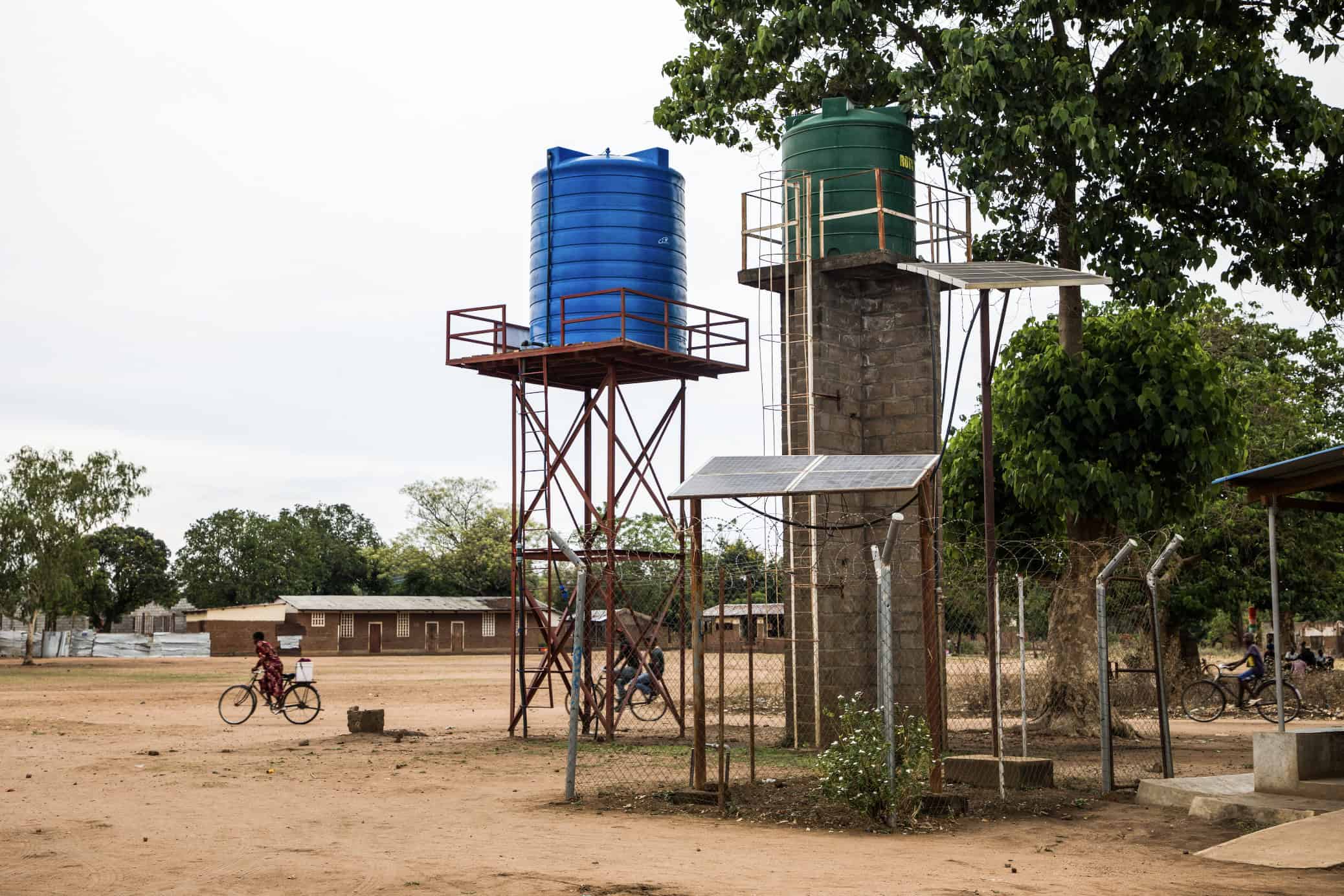
2 Health Centres enjoy clean drinking water
The renovation of the water systems at the Maera and Mangamba health centres now provides clean water to 600 patients every day. Where patients once had to bring water from home or rely on unsafe sources, there is now a stable supply directly at the facilities. Doctors and nurses report that infection prevention has improved significantly.
Clean water does more than fill a jerrycan. It improves hygiene, reduces disease, and enables families to spend their time more productively instead of constantly coping with scarcity. Even small pieces of infrastructure can have enormous human impact.
“
We clean it regularly and take turns looking after it. If something breaks, we no longer have to wait for someone else to come and fix it.
— Joyce Gumbala, resident and member of water committee
“
55 WPC members work on Future proof water infrastructure
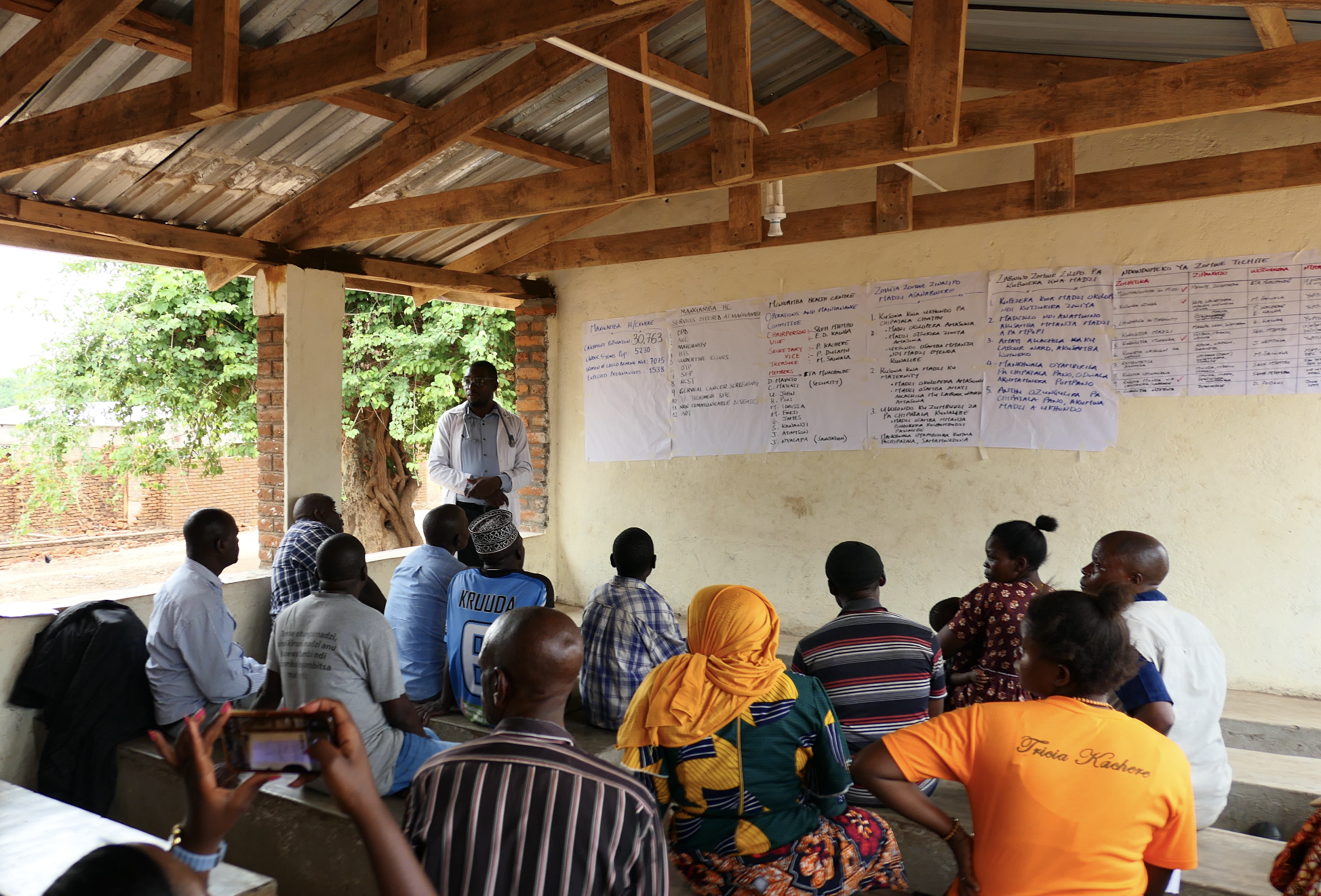
A total of five Water Point Committees (WPCs) have been established and 55 members have been trained. They are responsible for maintenance, hygiene and carrying out minor repairs. Women play a key role in this work: of the 55 members, 30 are women.
Through the WPCs, the community is strengthened in its knowledge and skills around management and upkeep. Together with the wider community, the committees take responsibility for the boreholes by conducting regular technical checks, replacing worn parts, cleaning rods and rubbers, maintaining hygiene around the water points and managing a fund for future maintenance costs and spare parts.
11 Local entrepreneurs: spare parts and maintenance
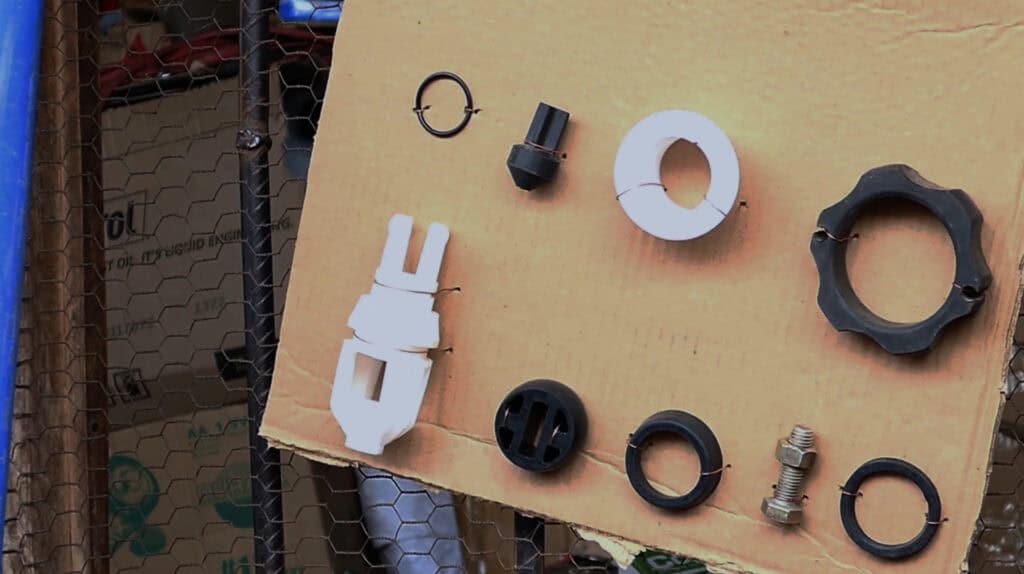
Local entrepreneurs are being trained to support the drinking water ecosystem. Some work as WASH technicians while others run small shops selling spare parts. During the reporting period 11 entrepreneurs were trained in managing Afridev borehole parts and in business skills such as pricing, administration, marketing methods and customer relations.
Engaging local entrepreneurs is essential, as they directly contribute to the availability of spare parts and the upkeep of the new water infrastructure. This strengthens the long-term sustainability of the facilities while also creating opportunities for local economic development.
2025 goals achieved?
Several key activities were planned for the second half of 2025. 27 existing boreholes are being renovated and 4 existing water points will be expanded with new pipelines so they can supply nearby villages. This will also allow Naphini School to be connected to a reliable water source.
A further 18 local entrepreneurs are being trained, and new Water Point Committees (WPCs) will be established and supported.
Finally, a large awareness campaign has been planned, reaching 30,000 people with information on the importance of clean water, hygiene and health. This will help increase the use of the water points and strengthen the revenue needed for long-term sustainability.
Excited to discover whether our 2025 goals have been achieved? Stay tuned in 2026 for the results.
Made Blue ambassadors
experience progress on the ground
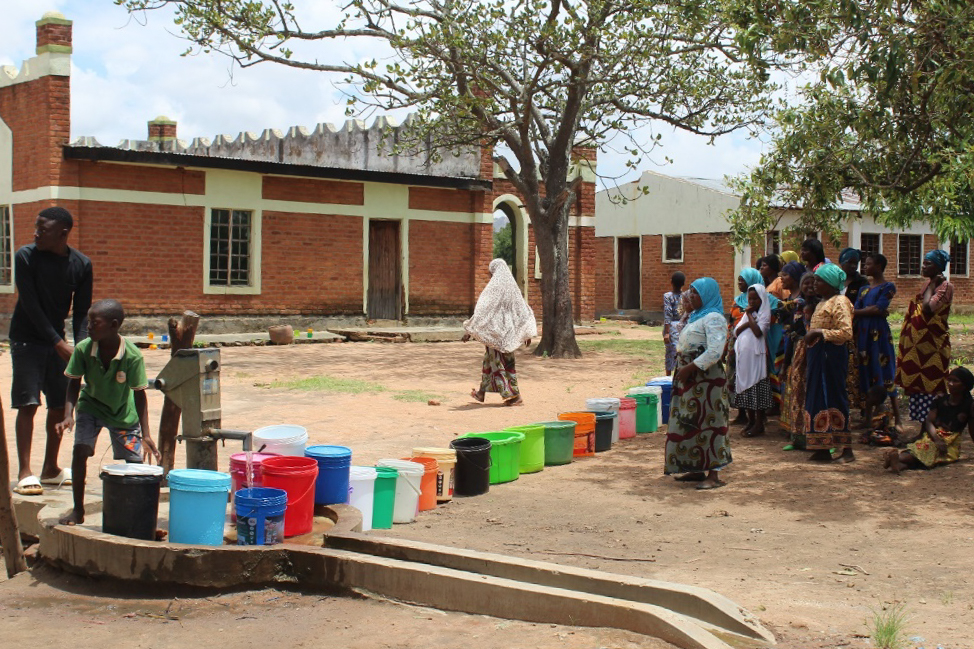
Made Blue ambassadors i-team Global, MERKKwater, Quooker and Tribe Hotel London Canary Wharf recently visited Malawi and witnessed the progress firsthand.
Curious about their experience? Watch the video or read the article.
Want to know more about
our water projects?
From households in Bangladesh to villages in Nepal and remote schools in Ethiopia — every Made Blue project brings sustainable clean drinking water closer to reality.
Learn about our projects and the impact we’re making together:
Uganda: Wash, Learn & Share
In this follow-up of our WASH & Learn project in Uganda, we place an even greater emphasis on capacity building and sustainability, with a central role for entrepreneurs, women and girls.
Read moreMalawi: Madzi for Malawi
In Malawi, more than 7 million people lack clean water. We are going to change this by building and repairing water points.
Read moreSierra Leone: Water for a good start in life
We are helping young and expectant mothers and their children live healthy and safe lives by investing in health center facilities in Sierra Leone.
Read moreSierra Leone: Water and nutrition at schools
With 7 water kiosks and the provision of milk powder for school meals, we help more than 55,000 people to a better future.
Read moreBangladesh: Mini grids for households
In Bangladesh, mini water networks will provide 33,670 people with direct access to clean drinking water.
Read moreContribute to Clean Drinking Water
with your organization
We are the Made Blue Foundation.
Our mission: clean drinking water for all.
Want to help make it happen?